A 5,137-meter backpack

Preparations for the climb up Mount Ararat

How do you prepare for a climb up a 5,000-meter peak, such as Mount Ararat in Turkey? In this article—our first post on the Top Summits of the World blog—we offer some recommendations and guidelines on how to prepare for such a climb.

A winter ascent of a 5,000-meter peak is not the same as a summer ascent, so the season chosen is the first important factor to consider when determining what gear to pack. If you do not have extensive mountaineering experience, it is recommended that you plan your climb for the summer season, as the success rate and the likelihood of reaching the summit increase considerably. Furthermore, it is worth noting that Mount Ararat, also known as the mountain of Noah’s Ark, offers favorable technical conditions for those new to climbing mountains of this altitude.

Before we focus specifically on the backpack, it’s a good idea to consider other aspects of travel logistics, such as:

  • The country’s currency.
  • The health-related requirements for entry into the country (COVID-19 protocols, vaccinations required for the area where we will be carrying out the activity, among others). It is recommended to make an appointment about two months in advance at a health center that specializes in international vaccinations.
  • The formal requirements for entering the country (visa, valid passport and/or national ID card, as well as a driver’s license if you plan to rent a car in the destination country).
  • Check our tickets and baggage allowance, as well as the rules regarding what we can bring in the cabin and what we can check.
  • It will also be important to review in advance the details of our international calling rates, as well as to sign up for additional services if deemed necessary.

The title of this post refers to a single backpack, although we’ll actually need two backpacks to prepare for our challenge. In addition to the large backpack, with a capacity of 60 to 70 liters (which will be carried by the designated pack animals—in the case of Ararat, horses), we’ll need an additional backpack of 30 to 40 liters to carry all the essentials while we hike.

To make sure nothing is missing from the list and to avoid any unexpected surprises, it’s a good idea to visualize everything beforehand and organize the list methodically by categories or sections. Organization is a very personal matter, but we suggest starting with everything you’ll need to wear while hiking. We’d begin with the “head and neck” section, which will include items such as:

Required Components: "Head - Neck"

  • Phew.
  • A hat or a cap, depending on the altitude we’re at.
  • Sunglasses (you can bring a pair of snow goggles for bad weather and another pair with a smaller lens area).
  • Facial protection products such as sunscreen, lip balm…
  • Helmet, depending on the risk and difficulty of the climb (on Mount Ararat, for example, it is not necessary).
  • A headlamp, which will come in handy at camp and in the tent, as well as on the day of the summit climb, since we usually start hiking before sunrise.

Continuing in anatomical order, we move on to the “upper trunk” section, which will require the following items:

Required Elements: "Upper Torso"

  • Short-sleeved T-shirts (for lower temperatures), which, depending on personal preference, can be alternated with thin long-sleeved T-shirts.
  • Lightweight windbreaker.
  • At least two performance shirts that wick away sweat effectively.
  • A second layer over the thermal shirt.
  • A down jacket; it is recommended that it have a fill power of 850 cuins to provide better protection from the cold.
  • A Gore-Tex-style garment to wear over your coat to protect you from the wind and rain.

Following this order, we mustn’t forget the “hands” section, since they are one of the first parts of the body to feel the cold. It is recommended to wear two types of gloves:

Required Elements: "Upper Torso"

  • Thinner gloves for the lower layers.
  • Mittens for summit day or for the highest elevations.

Let’s move on to the “lower extremities” section, where we’ll need the following:

Required elements: "Lower torso and feet"

  • Underwear.
  • Shorts for anyone who wants them and for the lower divisions.
  • Long pants (preferably with good water-repellent properties) for higher elevations, although those who prefer can wear them from the start and skip the shorts.
  • A pair of tights to wear under long pants that will help keep us warmer.
  • On the lower legs, especially when snow appears, it is recommended to wear gaiters.
  • More comfortable sneakers for lower elevations.
  • A pair of boots for when the terrain gets rockier or snow starts to appear on the mountain.
  • We can’t forget about socks, and it’s recommended to bring a good variety—at least two pairs of thin socks, one pair of medium-weight socks, and one pair of thick socks for the day you reach the summit. This is one area of your mountaineering budget where you shouldn’t skimp, since it’s essential that your feet stay comfortable at all times.

We’ll wrap up the sports equipment section with “sports accessories, where you’ll need to keep the following in mind:

  • Anyone who needs them can use hiking poles, which will reduce the load on and strain on the legs.
  • If there is snow on the ascent, we’ll need to pack an ice axe and crampons in our gear.
  • Although it may seem obvious, we can’t stress this enough: you’ll also need to bring a water bottle or other container for liquids with sufficient capacity.

Let’s move away from sports and focus on the equipment and items we’ll need when we’re not participating in the activity. We can organize these in a “rest” section, which will require the following:

  • Pajamas or sleepwear.
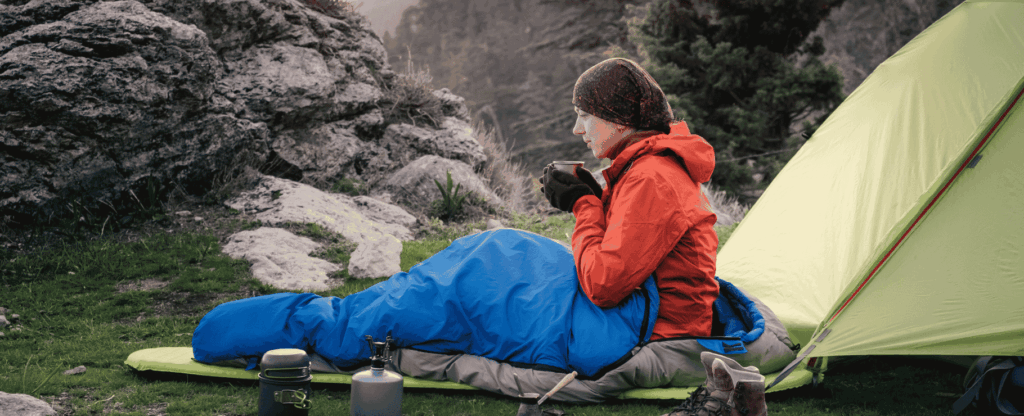
  • A sleeping bag that guarantees a comfort temperature between -15 and -20 degrees. A sleeping bag compressor can also be useful for reducing the amount of space it takes up in your backpack.
  • An inflatable mat and/or mattress for resting more comfortably and under the best possible conditions.
  • A pair of earplugs can be a great help. Sleep quality is key.

Another section could be called “Medical and First Aid Kit, which might include useful items such as:

  • Energy bars and/or nuts.
  • Mineral salts.
  • Water purification tablets.
  • Packages of tissues and/or toilet paper.
  • Personal medication.
  • Mosquito repellent cream.
  • Medication such as Edemox to treat altitude sickness.
  • Probiotics to keep your gut flora in top condition.
  • Among others.

We can wrap up this list with a “miscellaneous” section, which we’ll call “accessories, and which will include items such as:

  • A cell phone charger and/or portable battery, since these facilities usually do not have access to electricity.
  • Any inspiring books to read during downtime at camp?
  • Toiletry bag.
  • Towels and toiletries—though personal hygiene won’t be anything fancy, and hopefully there will be a river near the base camps.
  • Among others.

And after all that… doesn’t it make you want to pack your backpack and set out to discover the world?

Health and the Mountains.

OUR LATEST PUBLICATIONS