Home » Tips for Resting in the Mountains: How to Sleep Well at High Altitudes
Tips for Resting in the Mountains: How to Sleep Well at High Altitudes
Because recovering properly is just as important as climbing well
At Top Summits of the World, we’ve seen it expedition after expedition: you can have the best physical conditioning, the most advanced gear, and the highest motivation in the world, but if you don’t rest properly on the mountain, your body will eventually pay the price. Rest at high altitude isn’t a luxury—it’s a physiological and strategic necessity that can make the difference between reaching the summit or having to turn back halfway up the climb.
Sleeping in the mountains—especially at high altitudes—isn’t like sleeping at home. Low atmospheric pressure, extreme cold, unusual light at certain latitudes, and the sound of the wind are all factors that work against a good night’s rest. That’s why, in this article, we want to share everything we’ve learned about how to get the restful sleep your body needs to perform at its best the next day.
Why Is It So Hard to Sleep at High Altitudes?
Before discussing solutions, it’s important to understand the problem. As we climb, the concentration of oxygen in the air decreases, which directly affects sleep quality. The body enters a state of partial alertness, breathing becomes irregular, and deep sleep cycles become shorter. This effect is particularly pronounced above 3,000 meters.
Furthermore, as we explained in our article on altitude acclimatization and hypoxic training, hypoxia triggers a cascade of physiological responses that are not always compatible with rest: increased heart rate, heightened brain activity, and a greater tendency to wake up during the night.
On top of all this is the extreme cold, which forces the body to expend energy to maintain its temperature even while sleeping. If your gear isn’t up to the task, the cold will wake you up again and again.
The Sleeping Bag: Your Portable Thermal Shelter
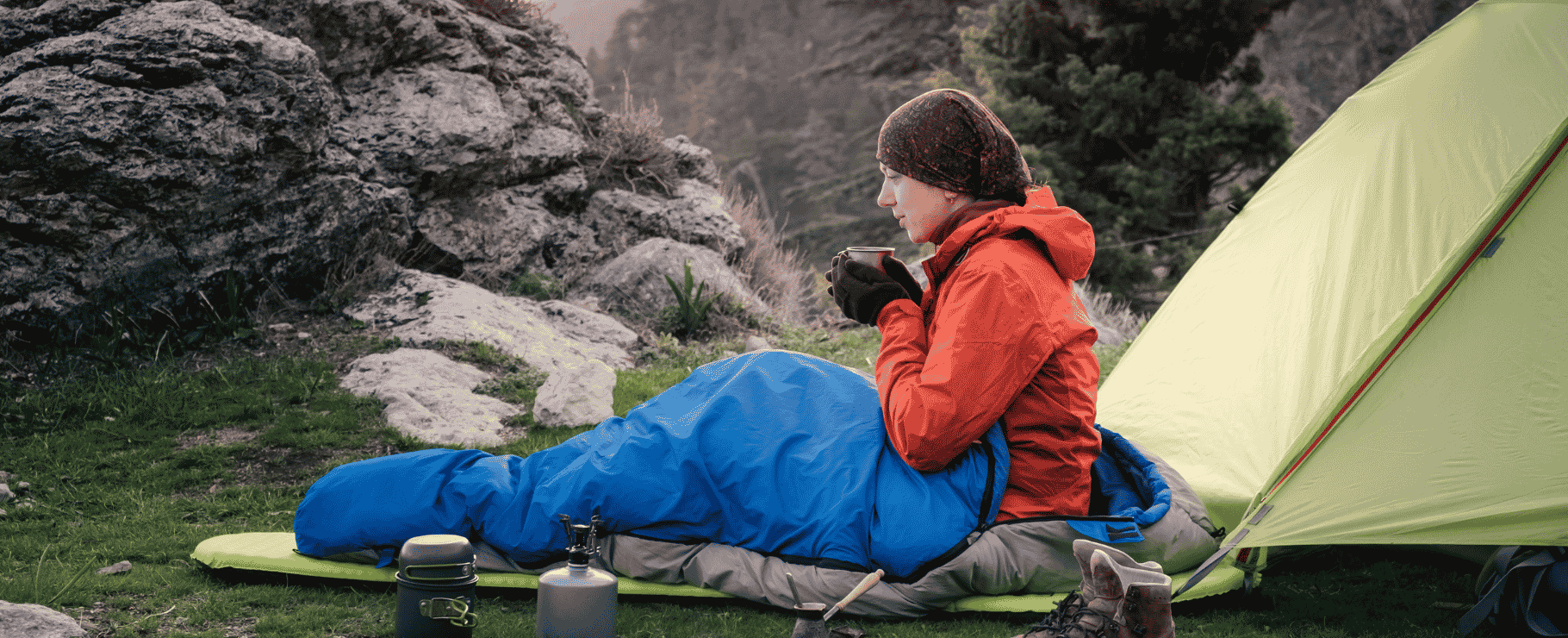
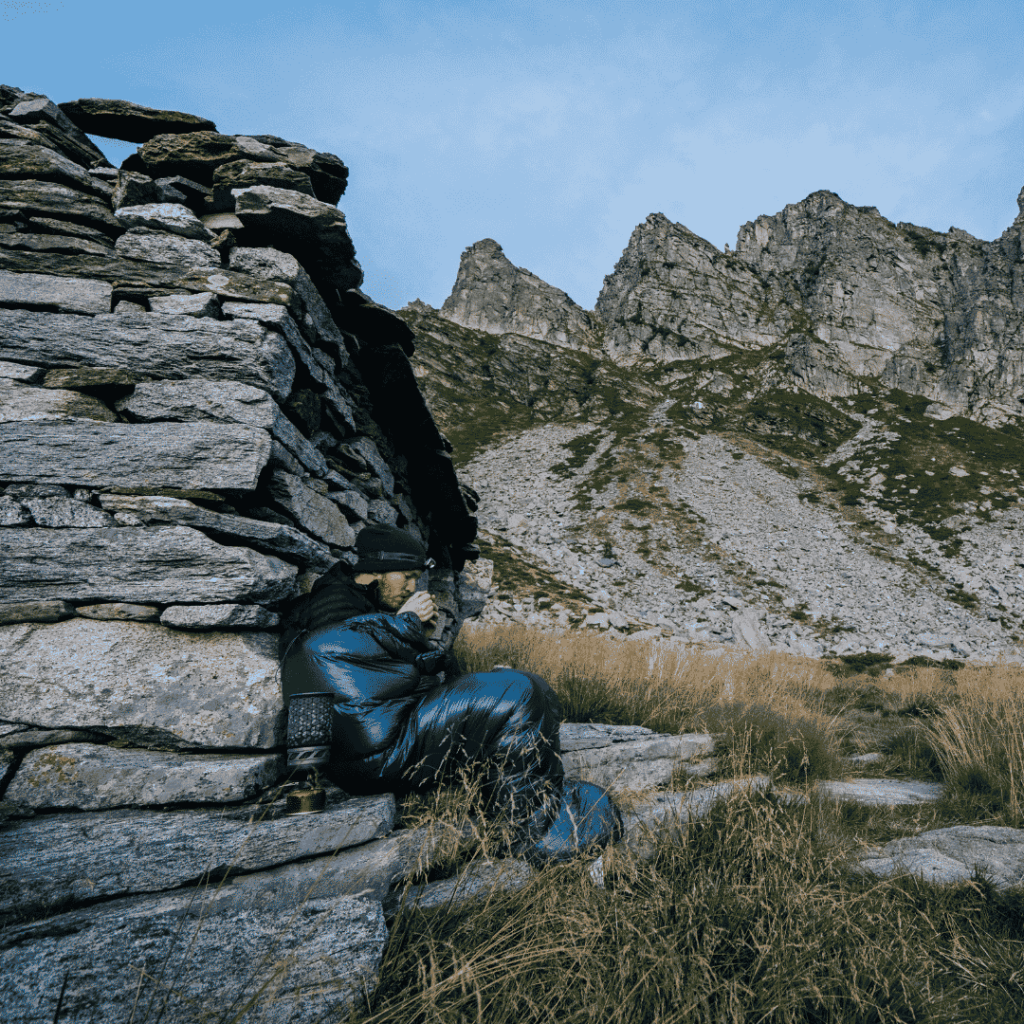
The most important piece of gear for a good night’s sleep in the mountains is, without a doubt, the sleeping bag. Choosing the right one is just as critical as choosing the right boots—something we’ve already discussed in detail in our guide on how to choose the best hiking boots for extreme weather.
What should you keep in mind when choosing a sleeping bag?
The comfort temperature is the first thing you should check. Sleeping bags are labeled with three temperature ratings in accordance with the European standard EN 13537:
- Comfort temperature: the temperature at which the average person sleeps comfortably
- Temperature limit: for cold-hardier perennials
- Extreme temperatures: the limit of survival, not of comfort
Our recommendation is always to choose a sleeping bag with a comfort rating at least 5–10 °C below the lowest temperature you expect to encounter. Altitude always has a way of surprising you, and choosing a sleeping bag that’s too light is a mistake that will cost you a sleepless night.
The type of filling also matters a lot. Down sleeping bags are warmer, more compressible, and lighter, making them ideal for high-altitude mountaineering expeditions. Synthetic-fill sleeping bags are less expensive, dry faster, and retain some of their insulating properties even when wet, making them more versatile in rainy or snowy conditions.
A sleeping bag’s design determines both its weight and its heat retention. Mummy-style sleeping bags are the most thermally efficient because they leave no dead space that needs to be heated. For high-altitude mountaineering, this style is the most recommended.
The “bag-within-a-bag” trick
When temperatures drop lower than expected, a very useful tip is to wear a silk or merino wool liner inside your main sleeping bag. This simple accessory can add between 3 and 8 °C of additional comfort, and it also helps keep your main sleeping bag cleaner during long expeditions.
The hiking pillow: a small detail, a big difference
Many mountaineers consider a pillow to be an unnecessary luxury. At Top Summits of the World, we believe the opposite: sleeping with your neck in the wrong position not only compromises the quality of your sleep, but can also cause muscle stiffness that may affect your climb the next day.
There are inflatable hiking pillows on the market that weigh between 50 and 100 grams and can be compressed to fit in a jacket pocket. They’re just as comfortable as a conventional pillow and can make a huge difference in your night’s rest.
If you don’t want to add extra weight, a classic alternative is to stuff the next day’s clothes inside your pillowcase or to pack your backpack tightly with clothes. It works, but nothing beats a dedicated pillow.
The Secret to Wearing Socks to Bed: Keeping Your Feet Warm While You Sleep
This is one of those tips that seems counterintuitive until you try it—and then you can’t do without it. Modern high-altitude hiking boots include a removable liner (as we explain in our guide to the best hiking boots for extreme weather), and that liner can be your best ally at night.
How? By removing the inner liner from your boot and slipping it onto your feet inside your sleeping bag. This liner retains body heat very efficiently and prevents your feet from getting cold while you sleep—which is precisely when they suffer the most. Cold feet are one of the main causes of waking up at night in the high mountains.
Plus, keeping your boots inside your jacket with you prevents them from freezing overnight, which means that at dawn you can put them right back on without having to endure the agony of sticking your foot into a block of ice.
Sleeping in Scandinavian Countries and Under the Midnight Sun: The Challenge of Darkness That Never Comes
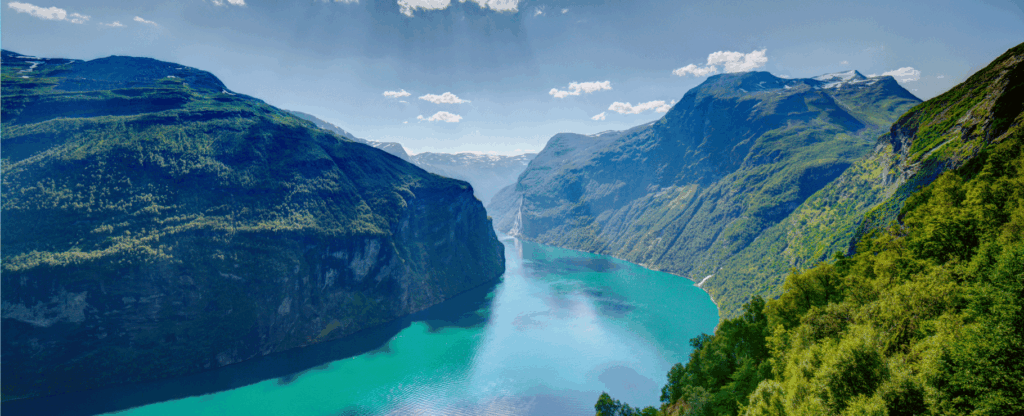
If your adventure takes you to destinations such as Norway, Sweden, Finland, Iceland, or any other place above the Arctic Circle during the summer, you’ll encounter one of the most bewildering phenomena for the human mind: the midnight sun.
During the summer months, in these latitudes, the sun does not set at all, or only sets for a very short time. Continuous sunlight completely disrupts circadian rhythms, suppressing the production of melatonin that the body needs to fall asleep.
The solution is simple but absolutely essential: a high-quality sleep mask. Not just any sleep mask will do: look for one that completely blocks out side light and has a concave design that doesn’t put pressure on your eyes. There are models specifically designed for hiking—they’re lightweight and feature elastic straps that stay in place throughout the night.
If you’re going on expeditions in these latitudes, a face mask is just as essential as any other item in your mountaineering kit.
Earplugs: The Silence That Doesn't Exist in the Mountains
The wind battering the tent, the crampons of your fellow campers, the sound of the snow crunching, the snoring of the person next to you… The mountains—especially when shared with other expedition members— aren’t exactly a quiet place at night.
Earplugs are a tiny accessory that fits in any pocket and can make the difference between a restful night’s sleep and a night of total insomnia. High-density foam models are the most common and the most effective at blocking out low- and mid-frequency noises. Silicone models are also available, which are more comfortable for side sleepers.
Of course, if you’re in charge of the night shift at camp or if you need to be on the lookout for warning signs, consider whether the earplugs are appropriate for that particular night. Safety always comes first.
Nasal strips: breathe better to sleep better
This is perhaps the least well-known tip, but one of the most effective, especially at high altitudes. Nasal dilator strips—those small adhesive strips that are placed across the bridge of the nose—mechanically widen the nasal passages, making it easier for air to pass through as you breathe.
At high altitudes, where the air naturally contains less available oxygen, any improvement in respiratory efficiency makes a difference. Nose strips are not a substitute for proper acclimatization or the right equipment, but they can help you breathe more easily while you sleep, reduce snoring (which, in a shared tent, is a real blessing for your tentmates), and decrease the number of nighttime micro-awakenings caused by a feeling of shortness of breath.
They’re lightweight, inexpensive, require no training, and have no side effects. We always have them in our backpack.
Additional Practical Tips for Getting a Better Night's Sleep in the Mountains
Beyond the equipment itself, there are a number of habits and strategies that make a difference in the quality of your rest:
Gradual acclimatization
Don’t try to sleep at too high an altitude too soon. The golden rule of mountaineering is “climb high, sleep low.” Climb during the day to help your body acclimate, but descend to a lower altitude to sleep. This is especially important on expeditions to peaks such as Kilimanjaro, Aconcagua, or the eight-thousanders in the Himalayas.
Hydration Before Bedtime
Dehydration worsens the effects of altitude sickness and makes it harder to sleep. Drink enough fluids during the day, but limit your intake in the hour before bedtime if you don’t want to have to leave the tent in the middle of the night when it’s -20 °C.
Avoid alcohol and sedatives
They may seem like aids to falling asleep, but alcohol suppresses breathing and reduces oxygen levels at night when at high altitudes. Sedatives have similar effects. If you have serious trouble sleeping, talk to your doctor about safer options for your situation.
Eat something before you go to bed
A small snack rich in complex carbohydrates before bed can help maintain your body temperature throughout the night, since digestion generates heat. Nothing too heavy—just something that provides sustained energy.
High-Quality Mat: Insulation from Below
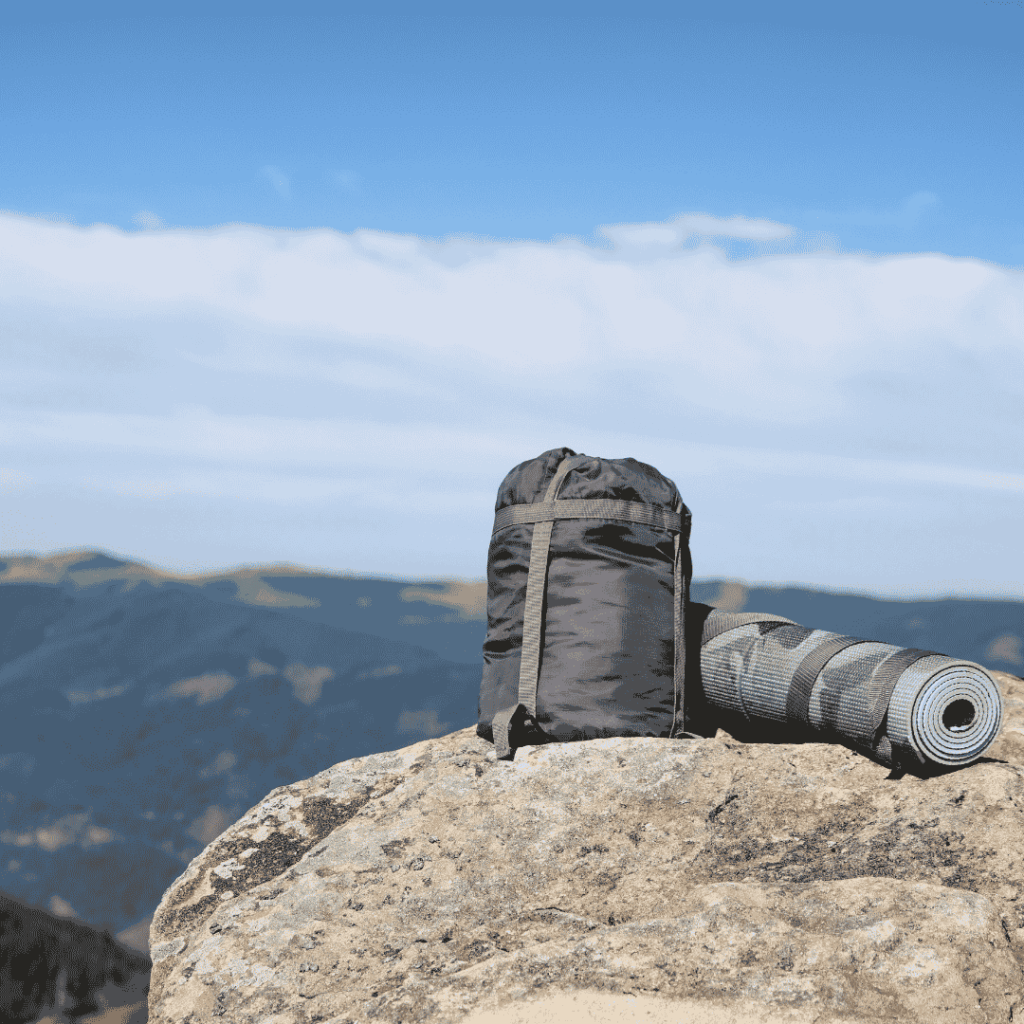
The cold doesn’t just come from above. The ground absorbs body heat very effectively. A high-quality insulated sleeping pad (rated by its R-value—the higher the better for cold climates) is just as important as your sleeping bag. Above 5,000 meters, a sleeping pad with an R-value of 4 or higher is the minimum recommended.
Ventilate the tent without getting cold
It may seem counterintuitive, but a little ventilation in your tent reduces the buildup of CO₂ and moisture from your breath, which improves the quality of the air you breathe at night. Many technical mountaineering tents have vents at the top specifically for this purpose: use them.
Keep the store organized
Knowing exactly where everything is in the dark—your headlamp, boots, and extra clothing—reduces stress and unnecessary movements during the night, which helps you fall back asleep quickly if you wake up.
Rest as part of the summit strategy
At Top Summits of the World, we’ve come to the conclusion that rest in the mountains isn’t just a break between exertions— it’s part of the exertion itself. A climber who sleeps well during the nights leading up to the summit push arrives stronger, more alert, and more confident than one who arrives exhausted after several sleepless nights.
Take care of your rest with the same attention you give to your training, nutrition, and gear. And remember: the right sleeping bag, foot liners, a polarized light-blocking eye mask, earplugs, and nose strips aren’t just the quirks of a meticulous mountaineer. They’re proven tools that make all the difference when your body needs it most.
Do you have any personal tips for sleeping better in the mountains? Tell us about them in the comments! At Top Summits of the World, we’re always learning from our community. See you at the summits! 🏔️
OUR LATEST PUBLICATIONS

The Himalayas: the roof of the world
Where the Earth touches the sky In Top Summits of the World there are mountain ranges that we admire, others that challenge us and some

The Andes: the backbone of South America
The longest, most diverse and powerful mountain range on the planet At Top Summits of the World, we have explored some of the world’s most

The Alaska Range: Mountains in their most extreme form
Denali and the territory where nature imposes its own rules In Top Summits of the World, we admire mountain ranges for their elegance, others for