Home » The 5 summits that you cannot miss in Central America and North America
The 5 summits that you cannot miss in Central America and North America
5 essential summits for those who dream of touching the American sky
In Top Summits of the World we have set out to conquer the most emblematic summits on the planet, and on that path we have learned to value the beauty and challenge offered by the mountains of each corner of the world. Today we want to share with you a special tour of 5 essential peaks from Central America and North America. Some are mythical for their height, others for their natural environment and their history, but they all have something in common: climbing each of them is a transformative experience.
From the majestic immensity of Alaska to the Tropical Costa Rican jungle, these tops teach us that the American continent is a treasure for mountaineering lovers. We invite you to discover these 5 mountains that you can not miss in your route notebook
1. Denali: The North America giant
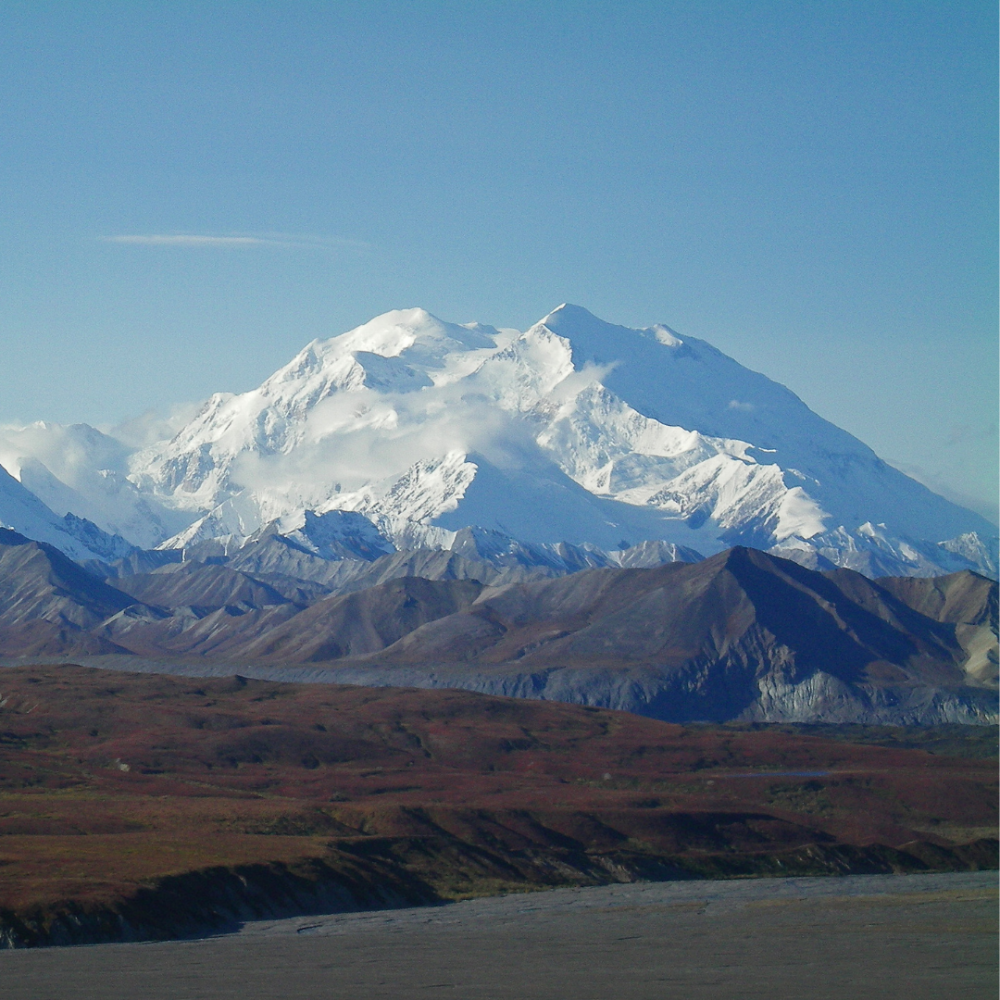
When we talk about serious challenges in North America, the Denali (also known as Monte McKinley) heads the list without discussion. This colossus of 6,190 meters, located in the heart of Alaska, imposes respect from the first moment. Ascending it is not only a physical feat, but also a lesson of humility before the wildest nature.
With its 6,190 meters, it is not only the highest peak in North America, but also one of the most complex challenges of the northern hemisphere. In the mountaineering lists, Denali occupies a privileged place for the level of self -sufficiency and preparation that it demands.
Denali’s prominent characteristics:
- Location : The Denali is located within the National Park and Reserve Denali, in the Alaska Center (USA.). This area is located about 400 km north of Anchorage, and is a limited access region, dominated by tundras, boreal forests and infinite glaciers.
- Main route : The West Buttress Route is the busiest and considered the safest, although that does not mean it is simple. The expedition usually begins from the base camp in the Kahiltna glacier, accessible only on the plane from Talkeetna. The route includes technical sections in snow and ice, crossings with sleds and prolonged periods in extreme height.
- Challenge : Denali is famous for its unpredictable climate, its constant wind and extreme temperatures that can exceed -40 ° C even in summer. In addition, its large northern latitude reduces atmospheric pressure, causing the ascent to be perceived as if it were more than 7,000 meters. The logistics of the expedition requires total autonomy: there are no shelters or assistance.
- Natural attractions: Ascend to Denali is to enter one of the wildest landscapes on the planet. Glaciers such as Kahiltna, the possibility of seeing brown bears, caribu or real Águilas, and the infinite skies of Alaska turn this mountain into an experience as impressive as remote.
2. Mount Logan: The hidden colossus of Canada
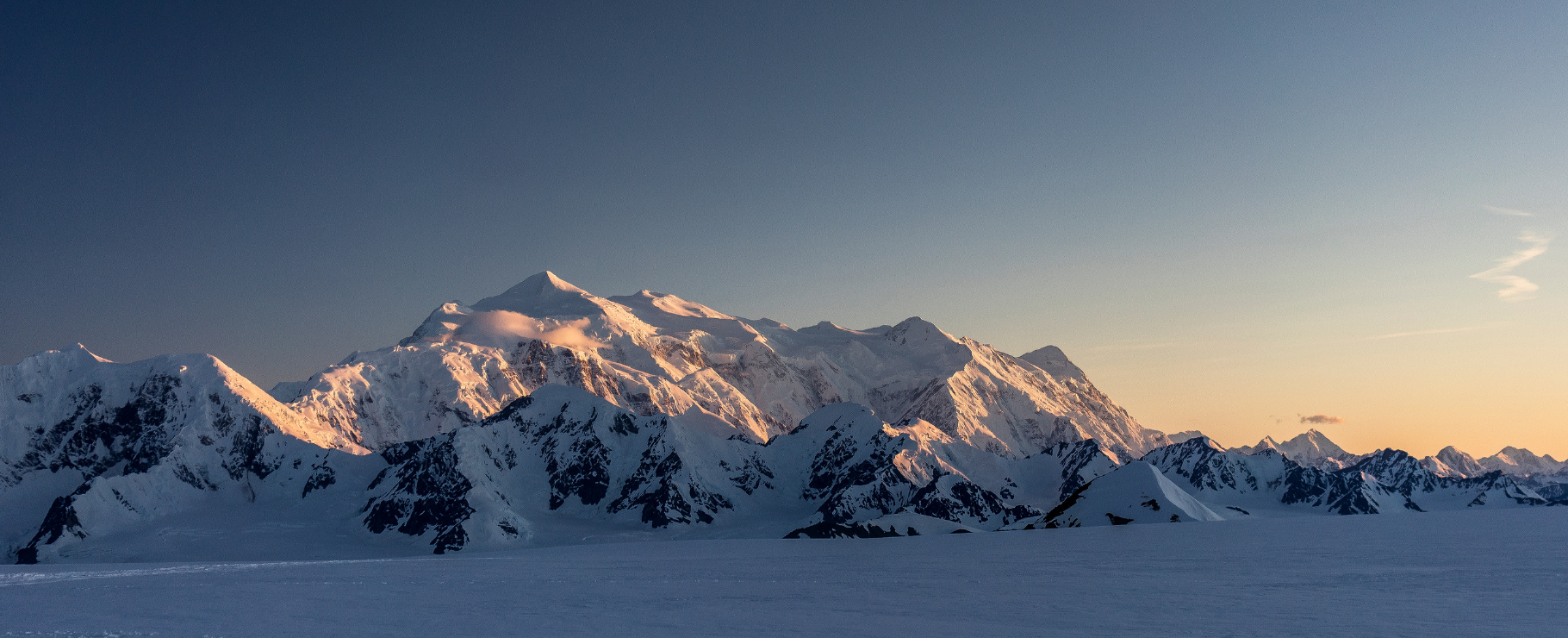
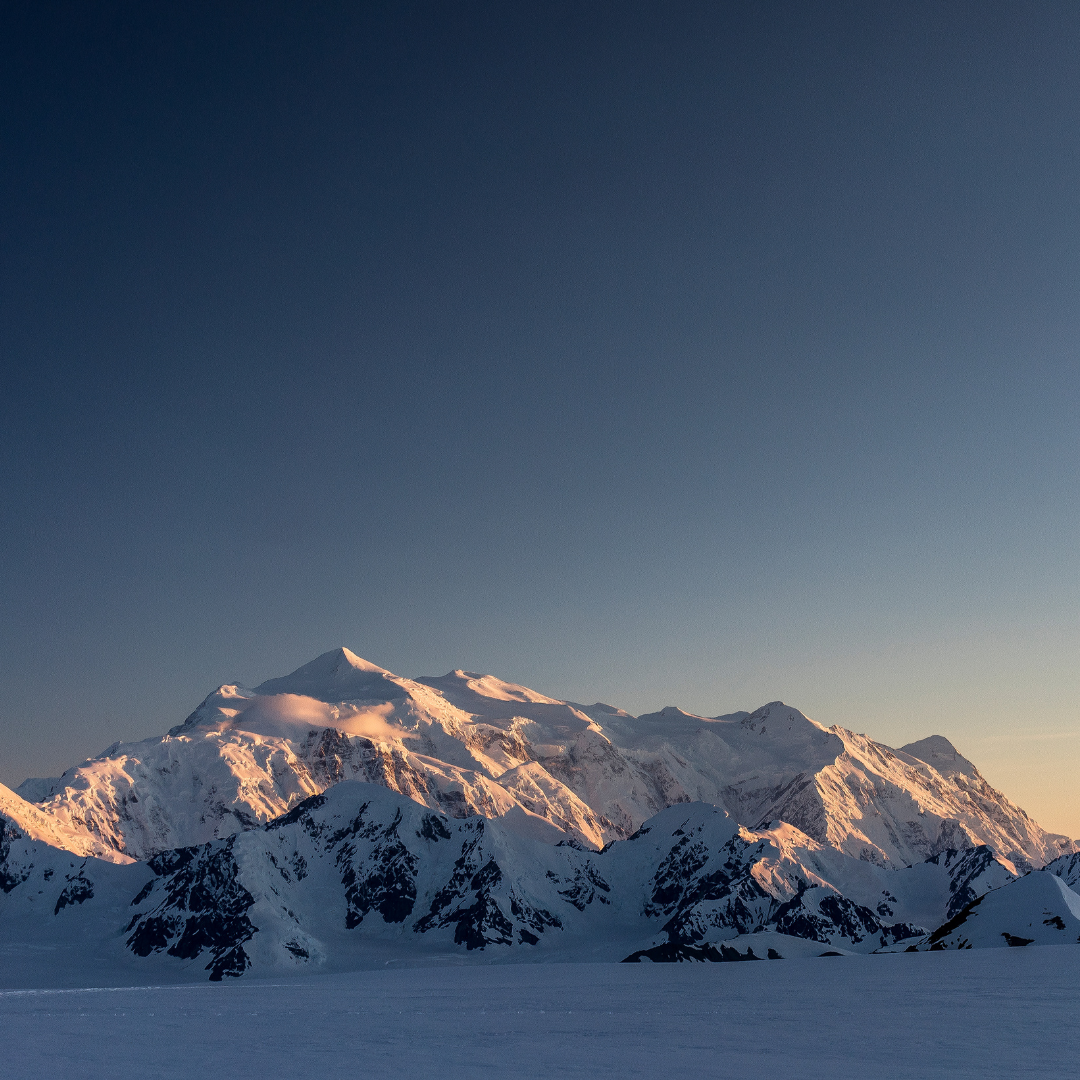
Although less known than Denali, Mount Logan is the second highest peak in North America and the highest in Canada. The horizon of the Kluane National Park dominates with its 5,959 meters high. But what most attracts the attention of this mountain is not only its altitude, but its immense volume: it is one of the largest mountain masses in the world, with a Cimera plain that extends per kilometers.
Reaching its summit demands a prolonged expedition, complex logistics and extreme conditions. But if there is a mountain where one really feels that he has reached the roof of Canada, it is here.
Outstanding features of Mount Logan:
- Location : located in the southwest of the territory of Yukón, Mount Logan is part of the San Elías mountain range, within the National Park and Kluane Reserve. This region is Unesco’s World Heritage and is located near the border with Alaska.
- Main route: The King Tank Route is the most used, although it is still a demanding expedition that can prolong more than 3 weeks. All equipment and provisions must be transported in sleds, crossing ice fields and areas without any infrastructure.
- Challenge : altitude, exposure to wind, the large amount of accumulated snow and the possible collapses of snow bridges in glaciers make this expedition require an advanced experience in polar terrain. Storms can leave mountaineers immobilized for days.
- Natural attractions : Mount Logan is surrounded by massive glaciers such as Hubbard and Logan Glacier, which allows us to enjoy a pure Arctic environment. In addition, from their high camps there are extraordinary views on intact mountain chains, with zero light and sound pollution.
3. Orizaba Peak: the colossus of Mexico that touches the sky
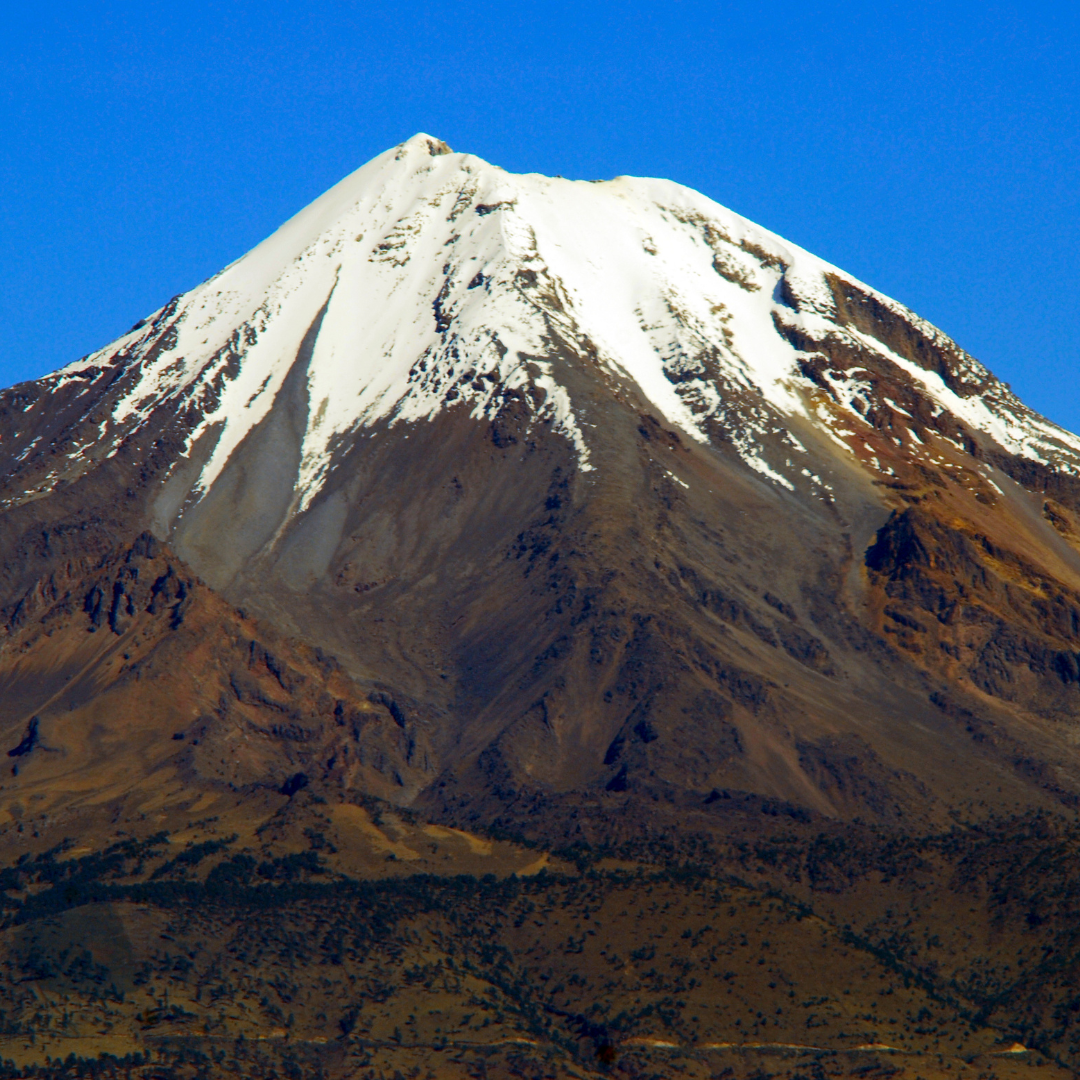
Also called Citlaraltépetl (“Mountain of the Star” in Nahuatl), the Pico de Orizaba rises to 5,636 meters as the highest volcano in Mexico and the third highest in North America. His perfect conical profile makes it unmistakable, and is visible from more than 100 km away.
Outstanding characteristics of the Orizaba peak:
- Location : located between the states of Puebla and Veracruz, in the center-east of Mexico. It is part of the transverse volcanic axis, a chain of volcanoes that crosses the country from west to east.
- Main route : The Jamapa glacier route, which starts from the Piedra Grande refuge, is the most common. It rises along the north face, exceeding a glacier slope of about 800 meters of unevenness. This high mountain hiking route with snow and ice sections.
- Challenge : Although it is a relatively accessible mountain from a technical point of view, the altitude represents a great challenge. Many mountaineers underestimate the effects of height evil. In winter season, glacier can have open cracks and more demanding conditions.
- Natural attractions : The Jamapa glacier, the crater perfectly defined on the top and the vegetation changes ranging from oyameles forests to moors high make this mountain a place of contrasts. In addition, its connection with pre -Hispanic legends adds a strong cultural component to the experience.
4. Turquino Peak: The rebel top of Cuba
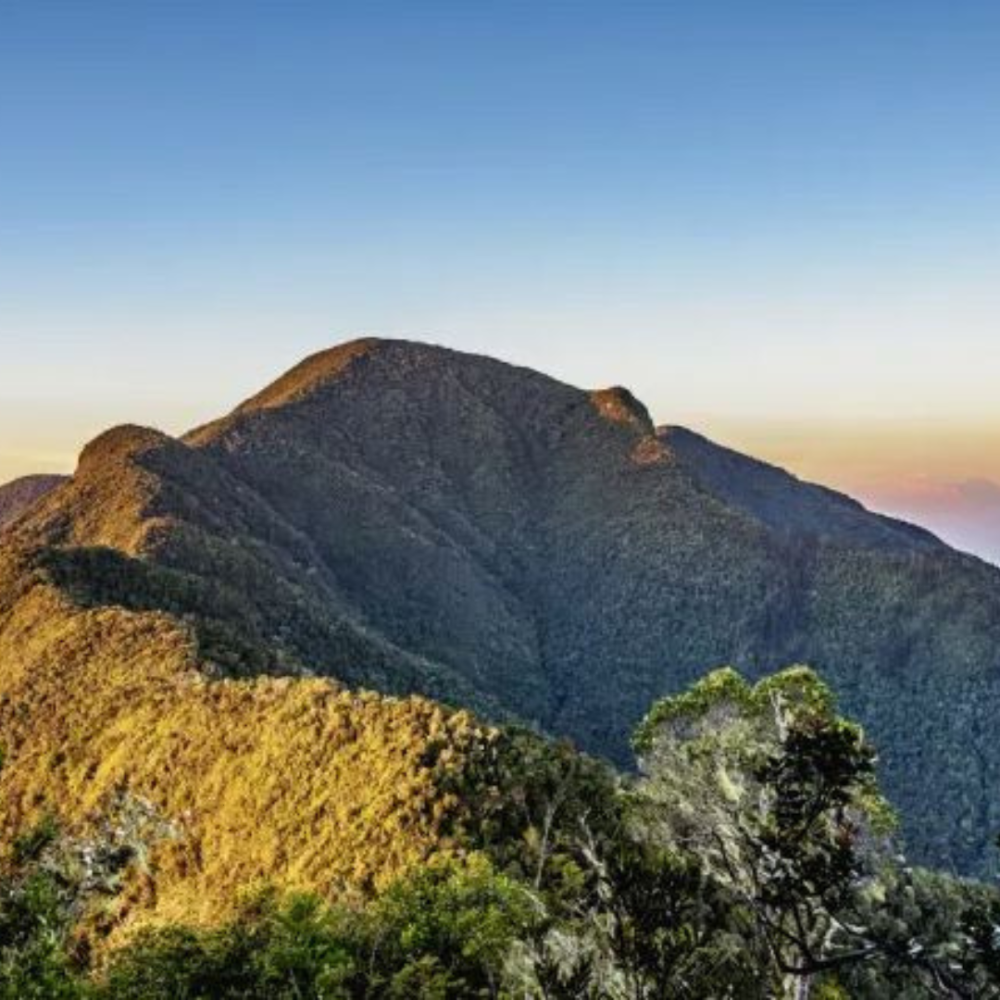
In the heart of Cuba, the Turkish beak stands, with 1,974 meters. Although it is not a high mountain compared to others from the continent, which gives it a special character is its jungle environment, its biodiversity and its historical load. It is the highest point of the island and a resistance symbol.
Outstanding characteristics of the Turquino peak:
- Location : in the Sierra Maestra, to the southeast of Cuba, within the Turkish National Park. It is located near the city of Santiago de Cuba and is immersed in a tropical mountain ecosystem.
- Main route: There are several routes, being the most famous that starts from the caves. This 2 to 3 -day journey allows you to gradually ascend and travel key places such as the La Plata Command, old Fidel Castro camp during the Cuban revolution.
- Challenge : heat, humidity and steep and slippery paths represent the main obstacles. Although it is not a technical ascension, it requires good physical condition. In the rainy season, the roads can become impassable.
- Natural attractions : Turkey crosses tropical forests, thick fog areas and tops with dwarf vegetation. In the route you can see endemic birds such as bump or zunzuncito. The top is crowned by a bust by José Martí, symbol of national pride.
5. Cerro Chirripó: the most wild Central America roof
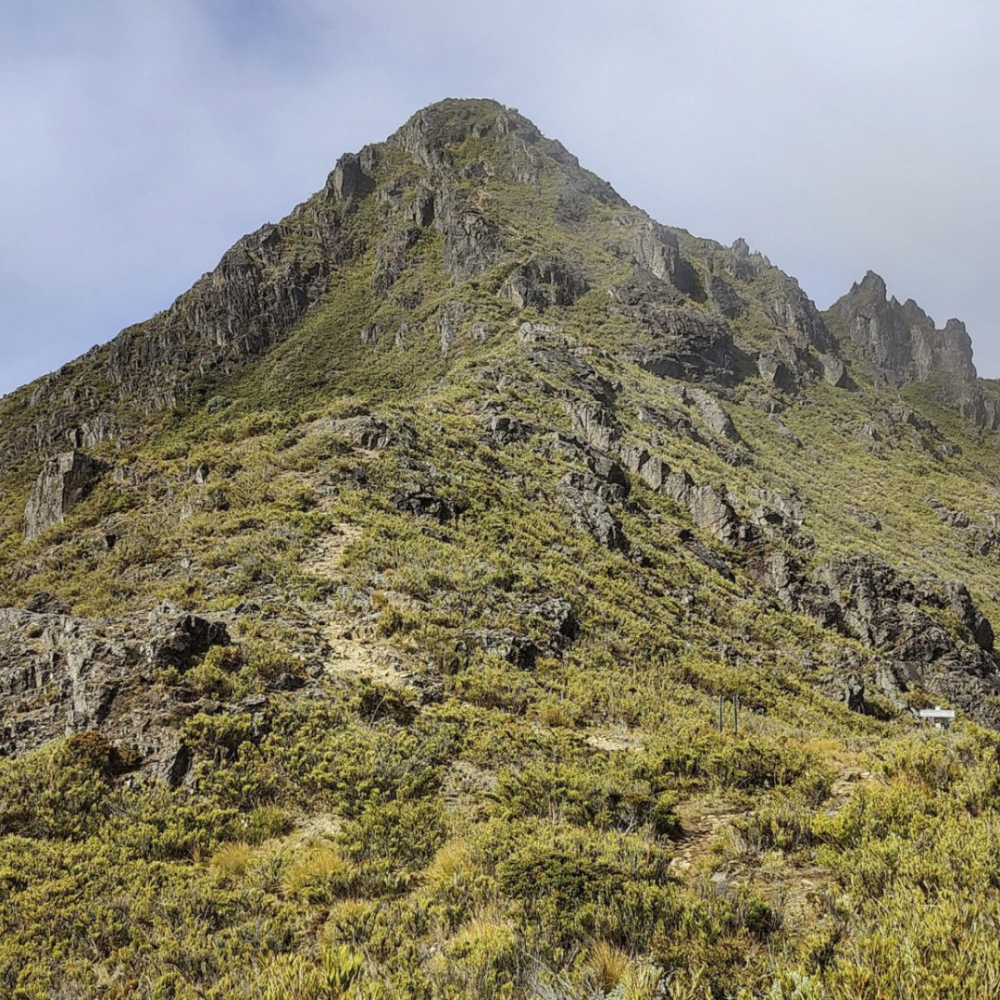
Located in Costa Rica, Cerro Chirripó (3,820 m) is the highest peak in the country and one of the best natural viewpoints in Central America. What will conquer you from this place is the overwhelming biological diversity that occurs in each kilometer of ascent.
From moors of height to cloudy jungles, walking towards the chirripó is to cross several worlds in a single day. And if you are lucky to find a clear dawn from the summit, you can see two oceans at the same time: the Pacific and the Atlantic.
Outstanding characteristics of Cerro Chirripó:
- Location : It is located in the Talamanca mountain range, within the Chirripó National Park, southeast of San José. The usual access is made from San Gerardo de Rivas, a small town surrounded by coffee plantations and cloud forests.
- Main route: The main route starts from San Gerardo to the Crestones base refuge (at 3,400 meters), covering a distance of about 14.5 km. From there, the final ascent to the top takes between 1 and 2 hours. Previous reserve is required to spend the night in the shelter.
- Challenge : Although there is no snow or technical sections, ascent implies overcoming an important slope in high humidity conditions. Temperature changes are abrupt, and fog can hinder orientation. The journey is long and strenuous.
- Natural attractions : The park houses oak forests, glacier lagoons, moors and rock formations such as crestons, which seem sculpted by giants. Biodiversity is exceptional: you can find jaguars, tapirs, howlers and more than 400 species of birds.
OUR LATEST PUBLICATIONS

The Caucasus: the natural wall between Europe and Asia
An extreme mountain range where cultures, continents, and epic peaks intersect In Top Summits of the World, we feature mountain ranges that challenge us with

The Atlas: the Maghreb mountain range between the Sahara and the Mediterranean
A journey through the Atlas, guardians of the desert and the mountains At Top Summits of the World we have traveled mountain ranges that cross

The Alps: where mountaineering was born and the mountain spirit was forged
A journey through Europe’s most iconic mountain range At Top Summits of the World, we are clear that if there is a mountain range that