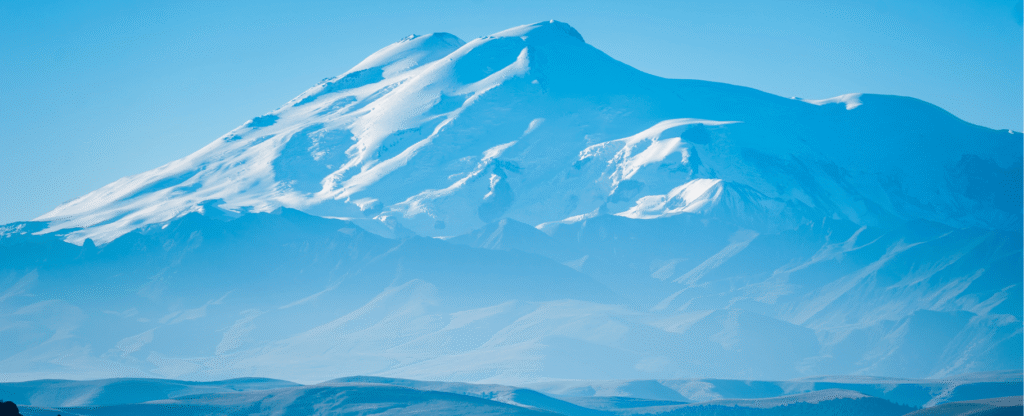
Tips for Traveling to Russia: Everything We Learned on Our Elbrus Expedition
A fascinating and complex country that demands extra preparation before you set foot in it At Top Summits of the World, we’ve just lived through

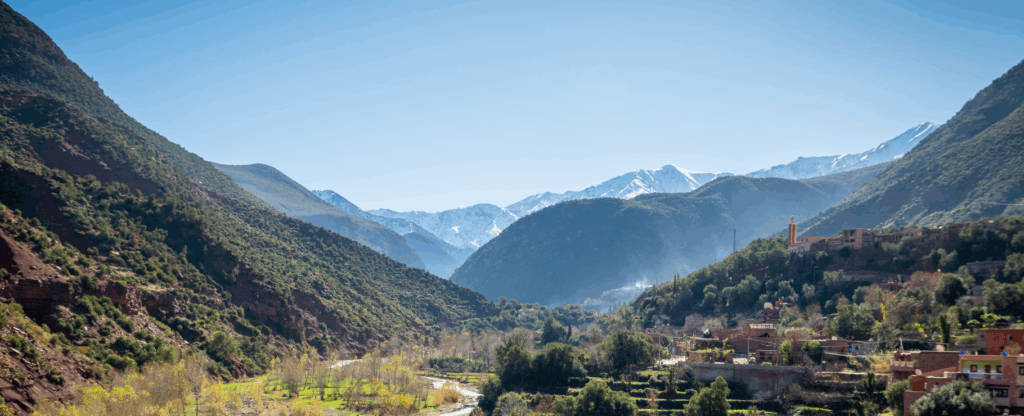
One of the most hidden charms of the Atlas is how life adapts to extreme conditions. In each altitudinal band we find different ecosystems, despite the dry climate of many areas.
 Notable flora:
 Characteristic fauna:
These ecosystems also attract biodiversity and conservation researchers. From our experience at Top Summits of the World, one of the greatest impacts we feel when stepping on these mountains is the fragility of the ecological balance: a change in climate, a poorly laid out route or logging can unbalance environments that have adapted for millennia.
Some of the most memorable mountains in the Atlas are already in our Top Summits of the World portfolio or on our future roadmap. Below, we present the most significant ones:
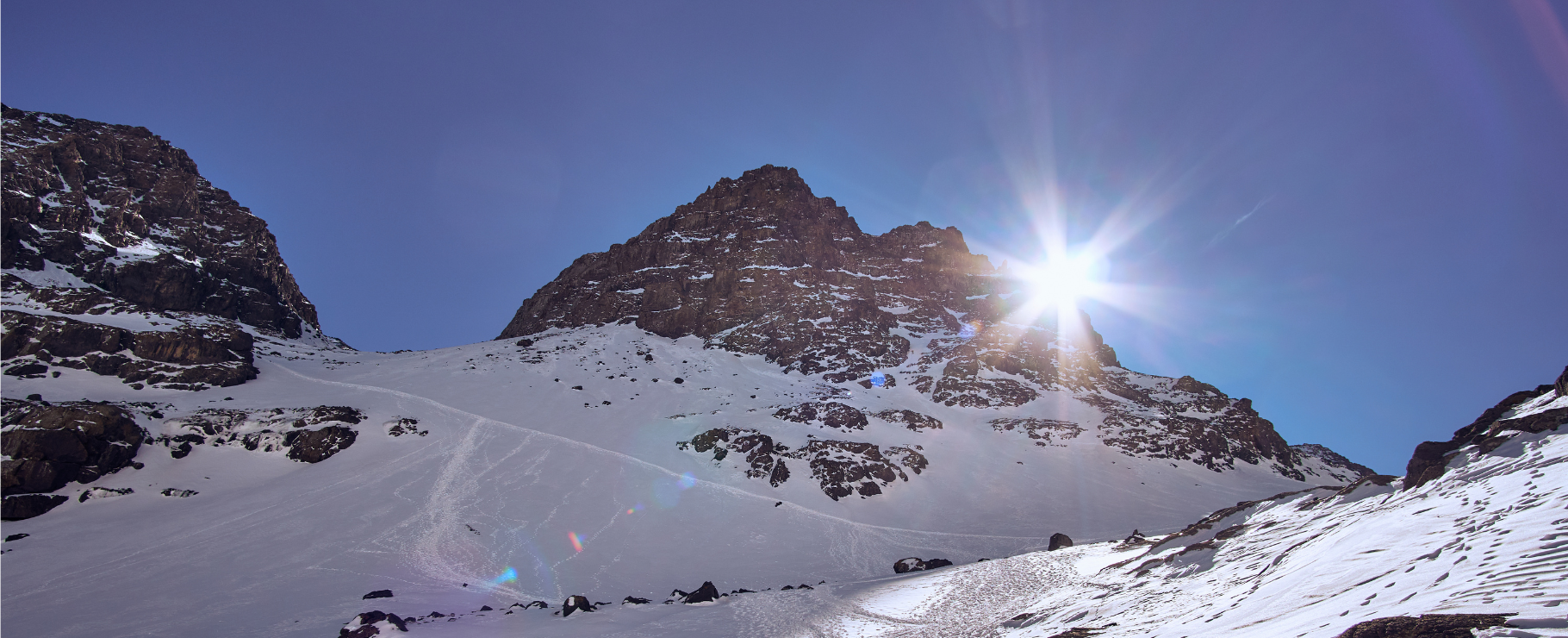
 Jbel Toubkal (4,167 m) – Morocco
Without a doubt, the king of the Atlas and the highest peak in North Africa. It is located in the Moroccan High Atlas, about 63km south of Marrakech. It is a classic objective, very frequented by mountaineers, although it requires good physical fitness and organization.
We have already climbed Toubkal on one of our mountain trips, one of the peaks that we value most for combining the trekking aspect with cultural immersion.
Lalla Khedidja (2,308 m) – AlgeriaIn the heart of Djurdjura, one of the most spectacular formations in the Tellian Atlas, rises Lalla Khedidja, the highest peak of the massif and one of the most emblematic peaks in Algeria. This peak, snowy in winter and covered in green in spring, is a natural and cultural symbol of the Kabylia region.
Jebel ech Chambi (1,544 m) – TunisiaAlthough much more modest in altitude than its Moroccan or Algerian sisters, the Jebel ech Chambi is the roof of Tunisia and a symbol of the eastern end of the Atlas mountain range. It is part of the Tellian Atlas, already in its last foothills before the terrain becomes a plain.
The Atlas is not understood solely by its geography: the peoples that inhabit it, especially the Berbers (or Amazighs), are an integral part of its essence. At Top Summits of the World we consider that each climb is not only physical, but also cultural.
During each expedition to the Atlas, at Top Summits of the World we delve into these towns, share with local guides, learn from their mountain wisdom and value the ancestral hospitality that is still noticeable in the most remote valleys.
A fascinating and complex country that demands extra preparation before you set foot in it At Top Summits of the World, we’ve just lived through
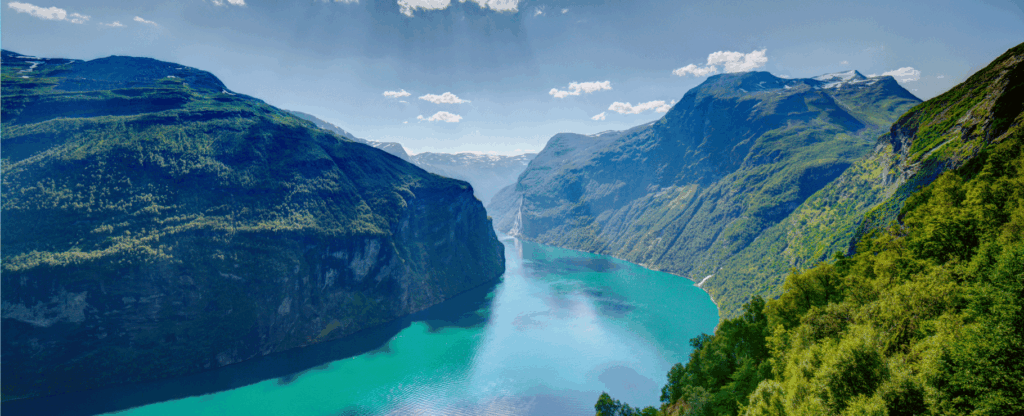
Learn from our experience to get the most out of one of the most fascinating countries on the planet. At Top Summits of the World,
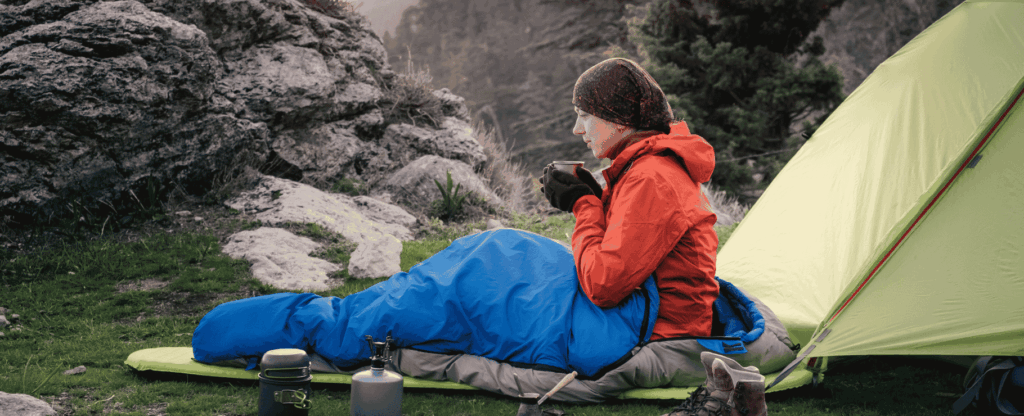
Because recovering properly is just as important as climbing well At Top Summits of the World, we’ve seen it expedition after expedition: you can have