Europe’s natural sanctuary: Alpine flora and fauna
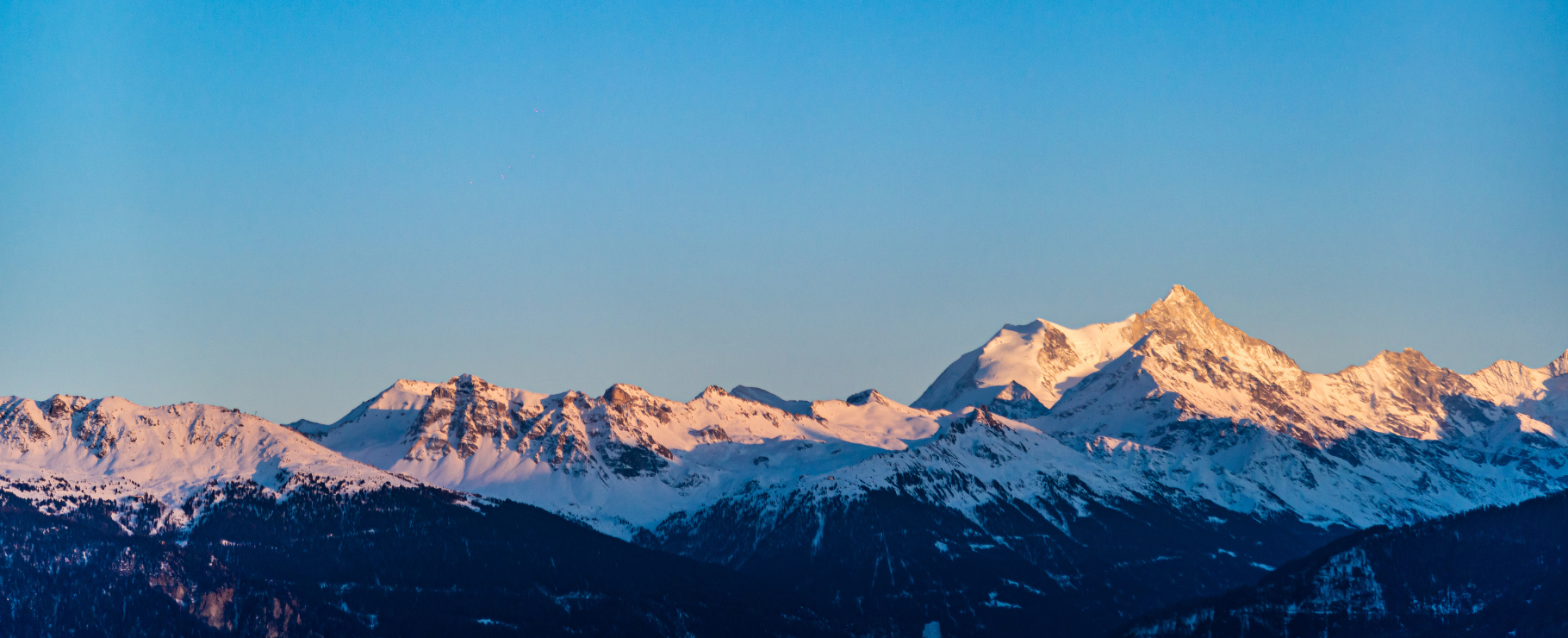
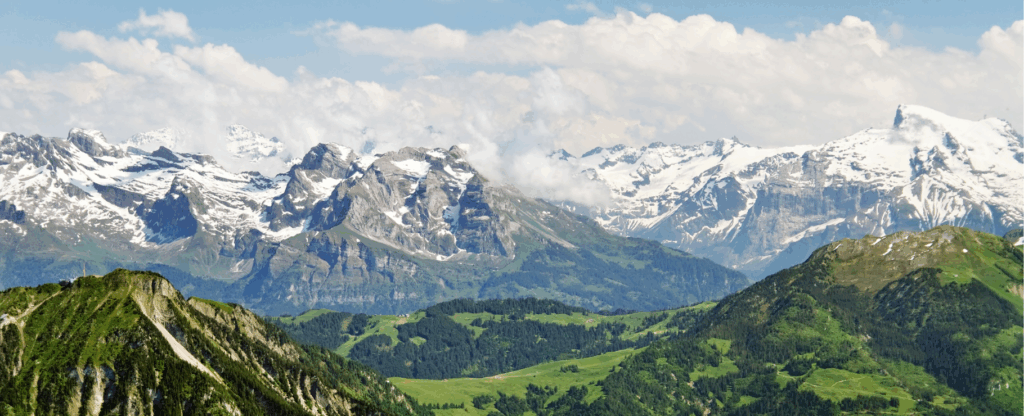
The Alps impress not only with their mountains, but also with the wealth of life they harbor. At Top Summits of the World, we are fascinated by how the landscape changes as we gain altitude: from valleys covered with vineyards and pastures to alpine meadows, glaciers, and bare rock peaks.
 Flora:
- More than 13,000 plant species have been identified in the Alpine environment.
- Endemic plants such as the edelweiss, the Alpine rhododendron, and the Swiss pine.
- In spring and summer, the Alpine meadows transform into a mosaic of color, with flowers that defy the altitude and extreme conditions.
 Fauna:
- Icons such as the Alpine ibex, the chamois, and the marmot, which inhabit areas above 2,000 meters.
- Birds Raptors such as the bearded vulture, successfully reintroduced in several parks.
- The shy European lynx and the iconic wolf, which have reestablished themselves in areas where they had previously disappeared.
The Alps boast an impressive network of national and natural parks, such as the Écrins National Park (France), the Hohe Tauern (Austria), the Gran Paradiso (Italy), and Swiss parks such as the Swiss National Park in Grisons.
Legendary peaks that inspire us
We can’t talk about the Alps without dwelling on their most iconic peaks. Here we present some of the most significant peaks for their altitude, beauty, or history:
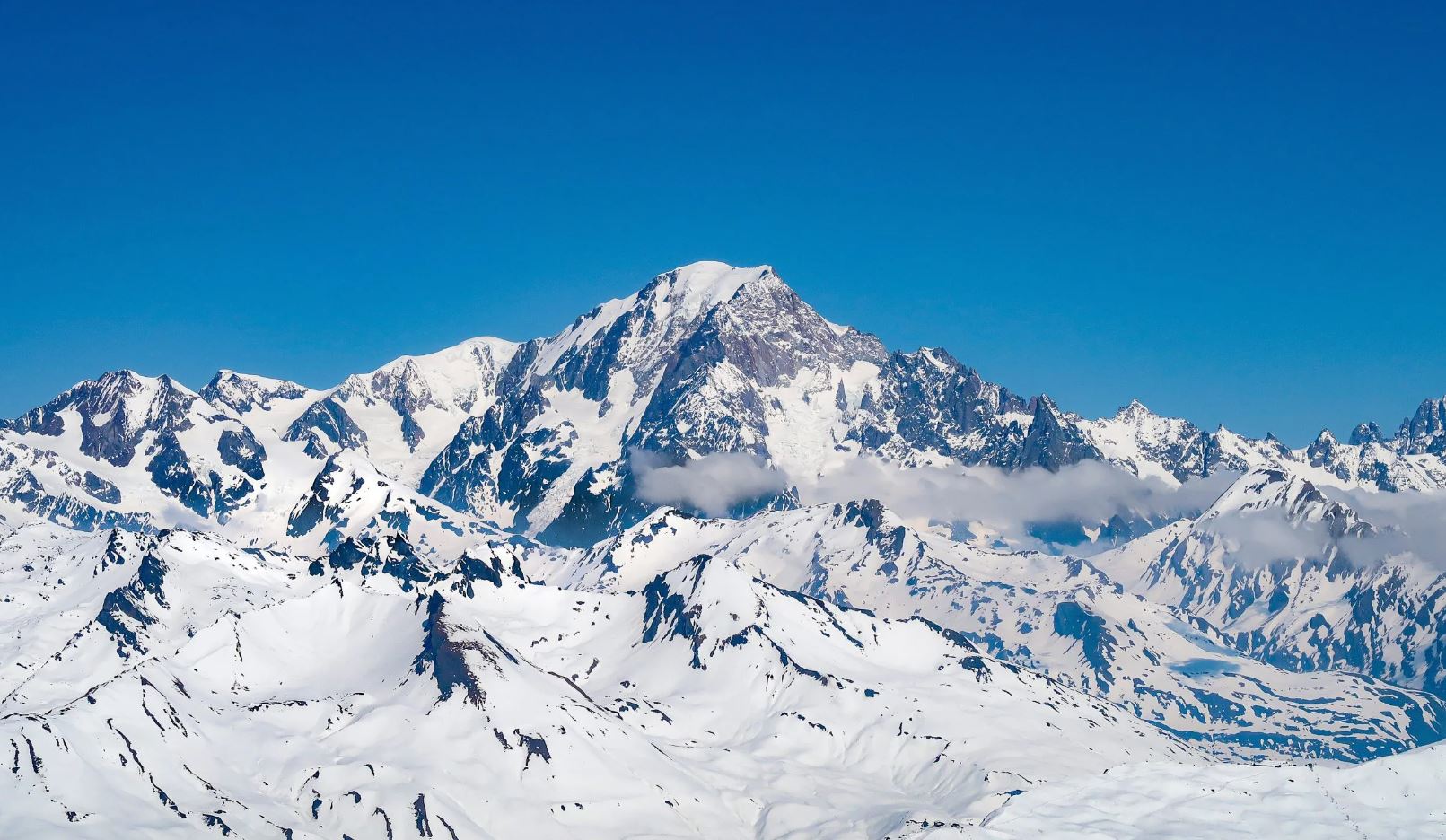
 Mont Blanc (4,809 m) – France/Italy
The undisputed king of the Alps and the highest peak in Western Europe. It is also considered the birthplace of modern mountaineering, with the first ascent in 1786 by Jacques Balmat and Michel-Gabriel Paccard.
- Classic routes: Gouter and Trois Monts. Both require good physical fitness and glacier experience.
- Dangers: crevasses, falling seracs, and extreme weather conditions.
- Fun fact: Its height varies each year due to the accumulation of snow on the summit.
- Peak 19 & 20 of Top Summits: Read the full chronicle here
Matterhorn / Cervino (4,478 m) – Switzerland/Italy
One of the most photogenic and symbolic mountains in the world. Its pyramidal silhouette is unmistakable. It was first climbed in 1865 by Edward Whymper, on an expedition that ended in tragedy.
- Hörnli Route: The most popular route, with exposed passes and climbing sections.
- Challenge: A combination of altitude, gradient, and mixed terrain (rock and snow).
- Fun Fact: It appears in the Toblerone logo and is a Swiss national symbol.
Monte Rosa (4,634 m) – Switzerland
Main summit of the Monte Rosa massif and the highest mountain in Switzerland. Although less well-known than Mont Blanc or the Matterhorn, it is an Alpine giant with a breathtaking glacial setting.
- Access: from Zermatt and the Monte Rosa Hütte refuge.
- Ascent: A long day of ice and sharp ridges, ideal for experienced climbers.
- Name: In honor of the cartographer Guillaume-Henri Dufour.
- Top Summits’ 21st Summit: Read the full report here
Triglav (2,864 m) – Slovenia
Although it doesn’t stand out for its altitude compared to other Alpine peaks, Triglav is one of the most iconic peaks of Europe. It’s the roof of Slovenia and is located in the heart of Triglav National Park, the country’s only national park. Its name means “three heads,” alluding to its distinctive silhouette and also to an ancient Slavic deity.
- Classic route: from the Kredarica refuge, with exposed sections equipped with cables (light via ferrata).
- Difficulty: Accessible for hikers in good physical condition, although caution is required on the final ridge.
- Fun fact: According to tradition, every Slovenian must climb Triglav at least once in their life.
- Top Summits 2: Read the full report here
For us at Top Summits of the World, Triglav represents the connection between mountain and nation, between symbol and landscape. To climb it is to understand Slovenia from the top.
Alpine Culture: More than Mountains
The Alps have shaped not only the European landscape, but also its culture. At Top Summits of the World, we are passionate about discovering the relationship between mountain communities and their surroundings.
- Traditional architecture: wooden chalets, sloping roofs, centuries-old refuges like the Rifugio Quintino Sella or the Refuge des Cosmiques.
- Gastronomy: Alpine cheeses (Gruyère, raclette, fontina), Swiss chocolates, wines from the Rhône Valley or Tyrol, and hot dishes like fondue or rösti.
- Mountain sports: from alpine skiing and ski touring to hiking, trail running, and sport climbing.
- Spirituality: Many pilgrimage routes cross the Alps, such as the Via Francigena.
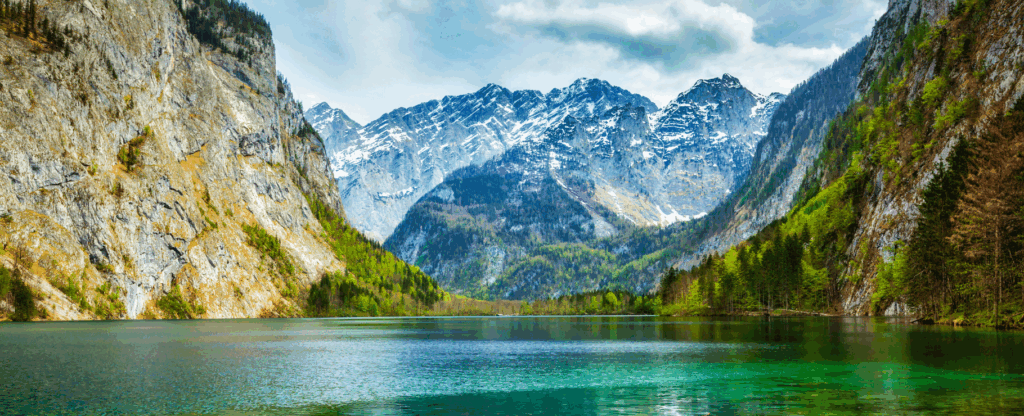
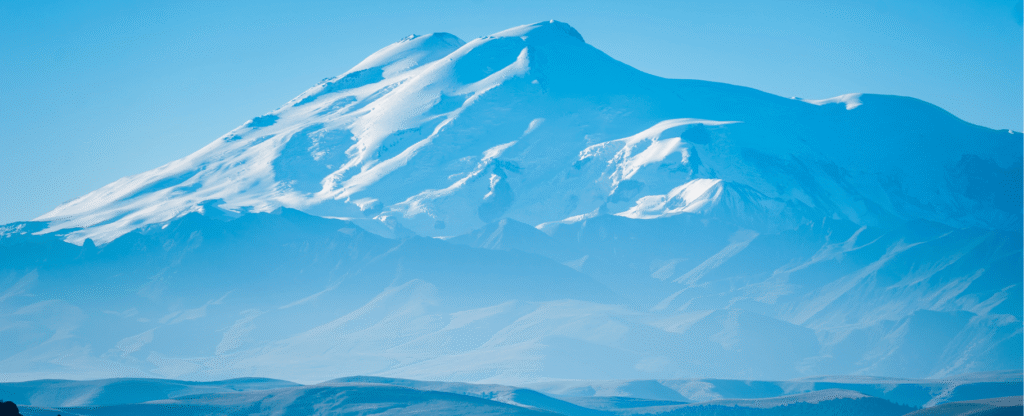
Tips for Traveling to Russia: Everything We Learned on Our Elbrus Expedition
A fascinating and complex country that demands extra preparation before you set foot in it At Top Summits of the World, we’ve just lived through
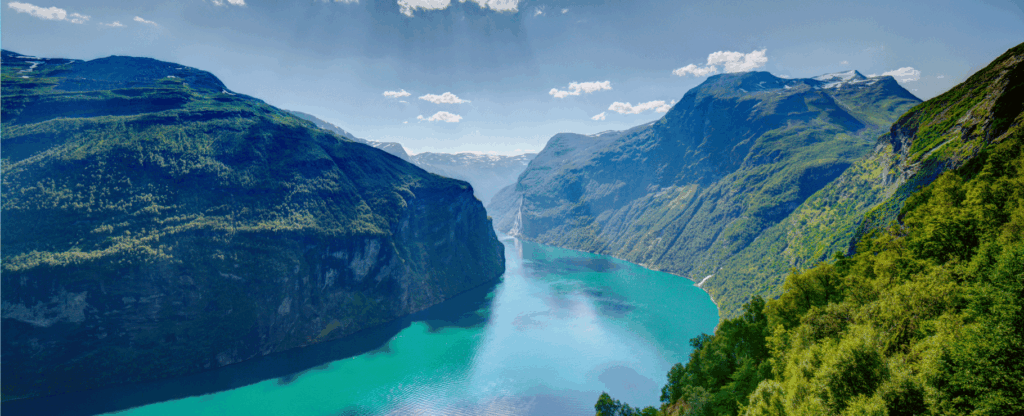
Tips for travelling to Norway: everything we wish we had known beforehand
Learn from our experience to get the most out of one of the most fascinating countries on the planet. At Top Summits of the World,
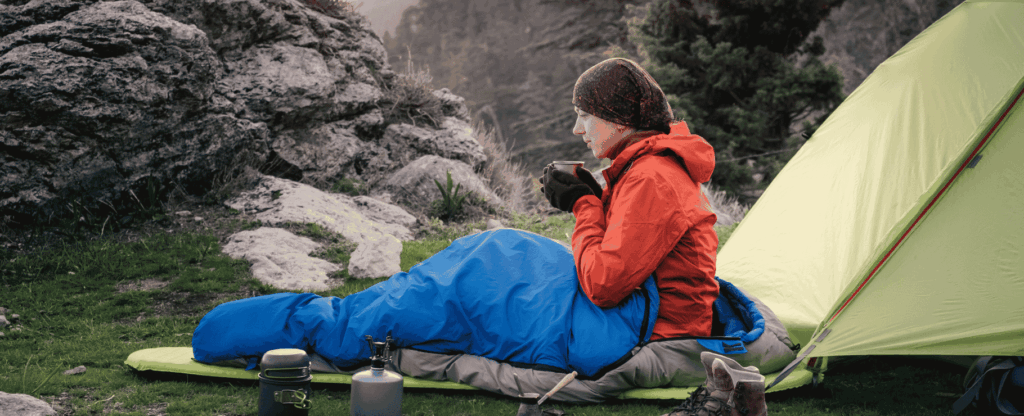
Tips for Resting in the Mountains: How to Sleep Well at High Altitudes
Because recovering properly is just as important as climbing well At Top Summits of the World, we’ve seen it expedition after expedition: you can have