
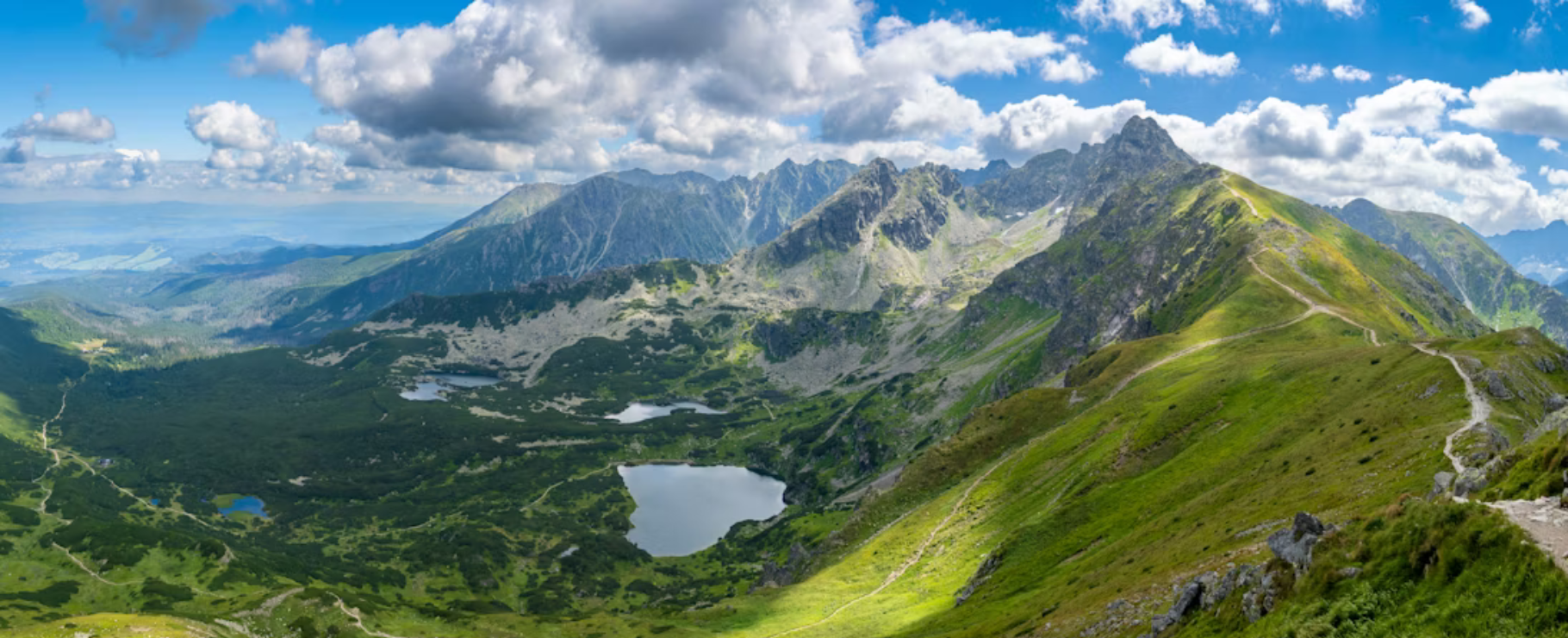
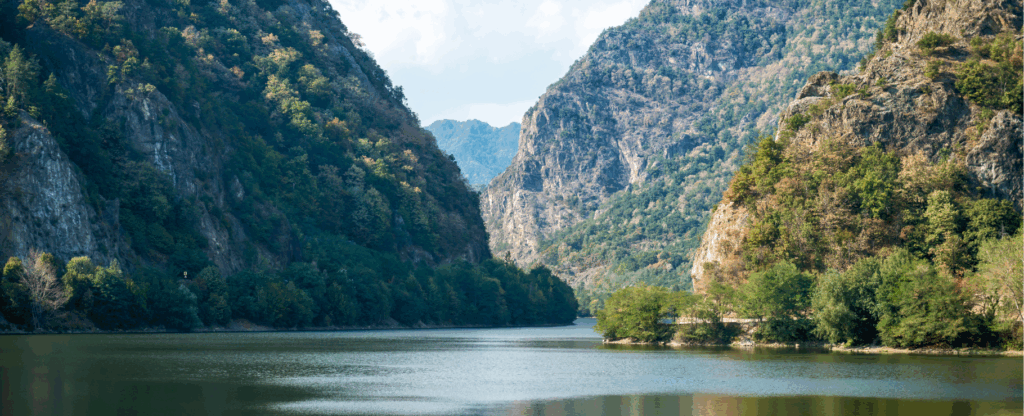
A paradise for European biodiversity
One of the reasons the Carpathians fascinate us at Top Summits of the World is their natural wealth. This mountain range is home to some of the largest and best-preserved forests in Europe, especially in Romania and Ukraine. It is estimated that the Carpathians contain around 30% of Europe’s flora.
 Characteristic flora:
- Forests of ancient beech, fir, pine, and oak trees.
- Alpine meadows full of wildflowers in spring.
- Endemic plants such as Dianthus callizonus in the Piatra Craiului massif.
 Wildlife:
- 60% of European brown bears live in the Carpathians.
- Wolves, lynxes, wild cats, and European deer inhabit these forests.
- Birds of prey such as the golden eagle and the eagle owl.
This biodiversity has motivated the creation of numerous national parks, such as Retezat National Park in Romania, the Tatra National Park in Slovakia and Poland, or the protected areas in the Apuseni Mountains. Many of these places still maintain pristine landscapes, where man has barely intervened.
Highlighted Peaks: The Hidden Gems of the Carpathians
Although the Carpathians don’t reach the altitudes of the Alps or the Caucasus, they do have peaks of great beauty, technical difficulty, and national symbolism. In Top Summits of the World, we already have them marked on our map of objectives and have already summited some. Here are three of the most iconic:
 Moldoveanu (2,544 m) – Romania
It is the highest mountain in Romania and the highest peak in the Southern Carpathians. It is located in the Făgăraș mountain range and is a classic objective for local mountaineers. Its ascent is not extremely technical, but it is physically demanding. It is often combined with other nearby peaks such as Viștea Mare.
- Classic route: from the Podragu Refuge, with crossings of 2-3 days.
- Panoramic: from the top you can see the entire spine of the Southern Carpathians.
- Curiosity: part of the ascent is along the famous ridge Creasta Făgărașului, one of the longest in Europe.
- Cima nª 15 of Top Summits of the World: Read the full chronicle here
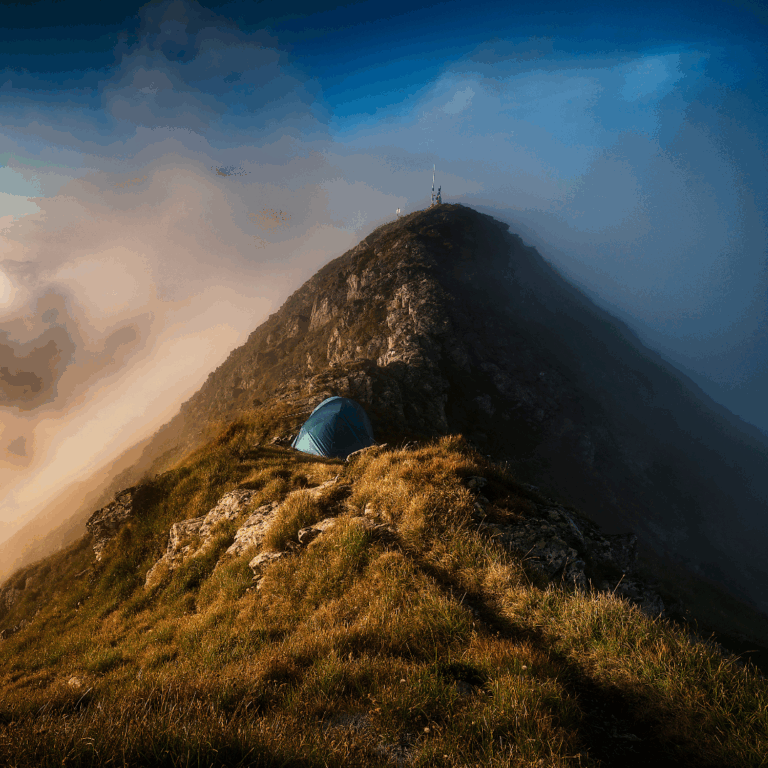
Gerlachovský štít (2,655 m) – Slovakia
It is the highest peak in the Carpathians and in all of Slovakia. It is located in the Tatra Mountains, specifically in the High Tatras, a massif notable for its alpine relief and rugged granite landscapes.
- Technical ascent: A certified guide is required by national park regulations.
- Views: Spectacular glacial valleys and glacial lakes (such as Štrbské pleso).
- Fun fact: Its name means “Gerlachov’s peak,” in reference to a nearby town.
- Summit No. 26 in Top Summits of the World: Read the full review here.
Rysy (2,503 m) – Poland/Slovakia
Rysy has a unique feature: it is the highest mountain in Poland, although its main peak is on the Slovak side. The interesting thing is that it can be climbed without technical equipment from both countries, making it very popular with hikers.
- Polish Route: from Morskie Oko, one of the most photogenic lakes in the Tatras.
- Slovak Route: gentler, from the Chata pod Rysmi refuge.
- Fun Fact: The name “Rysy” means “scratches” or “cracks,” referring to the steep rock face.
- 27th Top Summits of the World: Read the full review here.
Culture, history, and mystery in every valley
The Carpathians are not only a natural mountain range, but also a deeply human territory. At Top Summits of the World, we love exploring how mountains have influenced local cultures.
- Shepherds and Alpine Pastures: Many communities still make a living from traditional herding in the highlands, especially in Romania and Slovakia.
- Rural Architecture: Villages with wooden houses, Orthodox churches, and centuries-old mountain huts.
- Myths and Legends: From Count Dracula in Transylvania to the stories of goblins and forest spirits that still survive in local folklore.
- Troubled History: The Carpathian mountain passes have witnessed invasions, world wars, and migrations over the centuries.
Tips for travelling to Norway: everything we wish we had known beforehand
Learn from our experience to get the most out of one of the most fascinating countries on the planet. At Top Summits of the World,
Tips for Resting in the Mountains: How to Sleep Well at High Altitudes
Because recovering properly is just as important as climbing well At Top Summits of the World, we’ve seen it expedition after expedition: you can have
The Himalayas: the roof of the world
Where the Earth touches the sky In Top Summits of the World there are mountain ranges that we admire, others that challenge us and some