Home » The 5 summits you can’t miss in Oceania
The 5 summits you can’t miss in Oceania
Discovering the most representative mountains of the continent of the oceans
Oceania is a continent that sparks the imagination with its paradisiacal beaches, ancient cultures, and unique biodiversity. But beyond the turquoise waters and coral reefs, there are also mountains that invite adventure, contemplation, and a deep respect for nature.
From snow-capped peaks to jungle-covered volcanic formations, at Top Summits of the World, we’ve compiled the five peaks you can’t miss in Oceania. We haven’t climbed them yet, but we study them closely and observe them with admiration, preparing for the moment when we can set foot on their summits.
1. Mount Cook, New Zealand's icy guardian
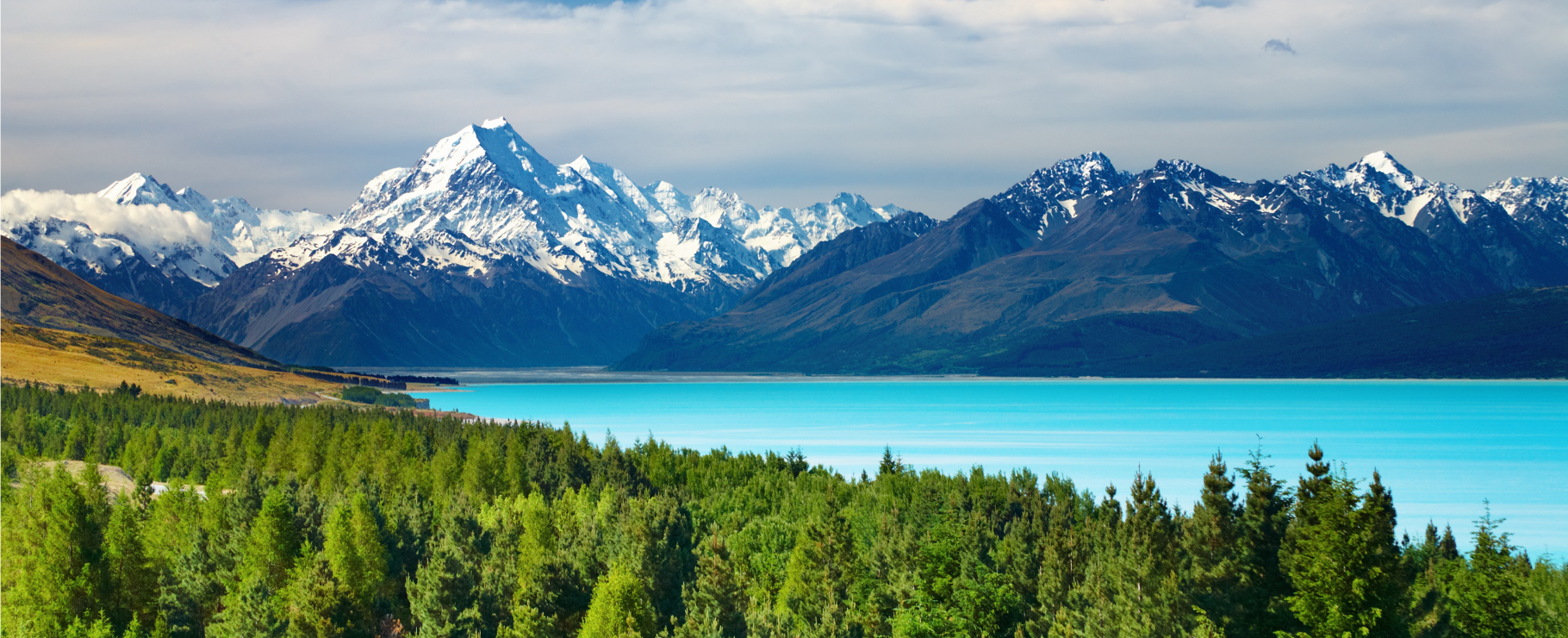
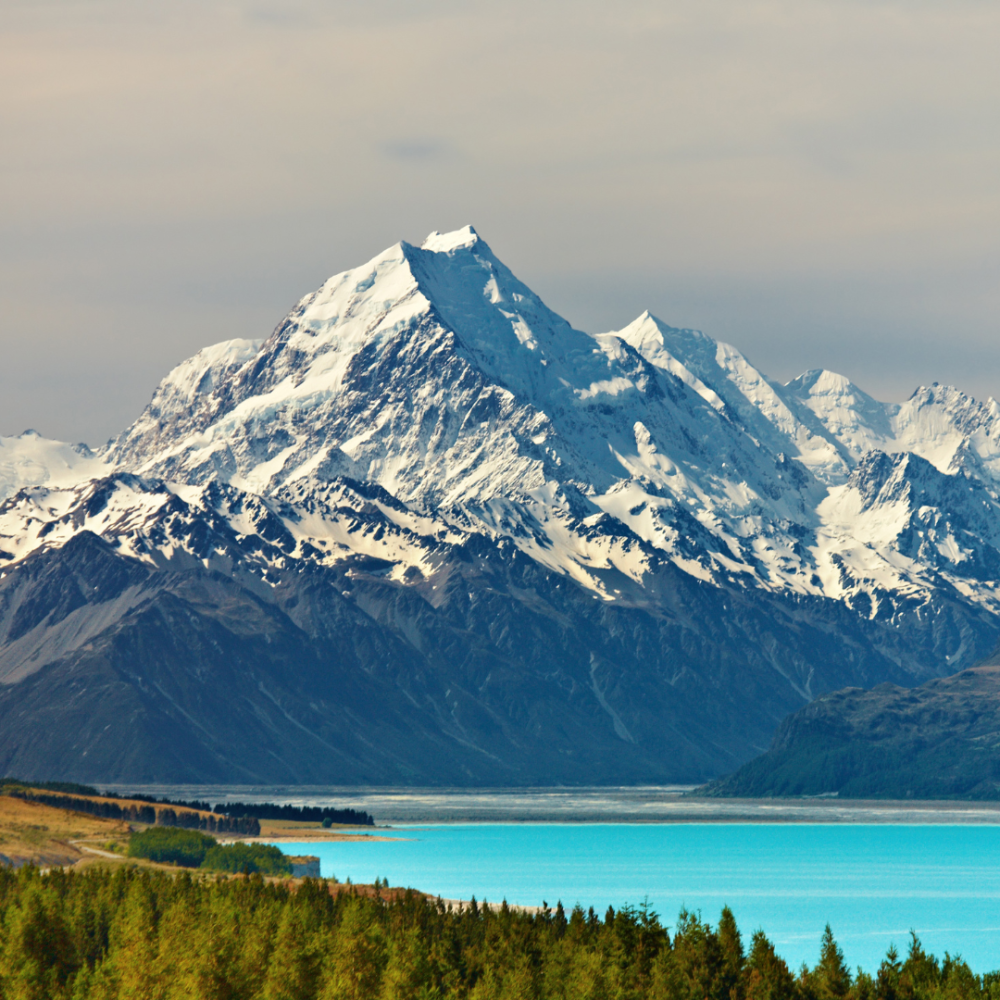
Mount Cook (Aoraki in Maori) stands as New Zealand’s highest mountain and one of the country’s most imposing natural symbols. Its majestic silhouette dominates Aoraki/Mount Cook National Park, a jewel of the New Zealand alpine landscape. This mountain is not only a physical challenge but also a spiritual one, deeply linked to the Maori worldview.
Although the mountain has changed slightly in height due to landslides and erosion (it once measured 3,764 m and now stands at around 3,724 m), it remains a landmark for mountaineers around the world.
Mount Cook Highlights:
- Location: New Zealand’s South Island, within Aoraki/Mount Cook National Park.
- Main Route: The standard ascent route is the Linda Glacier Route, but this is a technical alpine route requiring ice climbing experience, crampons, and favorable weather conditions.
- Challenge: The altitude doesn’t seem high compared to other world peaks, but the difficulty lies in the technical terrain, exposure, unstable glaciers, and unpredictable weather. It’s a mountain for experienced climbers.
- Natural attractions: Glaciers like the Tasman and Hooker, stunning night skies (it’s part of a Dark Sky Reserve), turquoise lakes, and the chance to spot keas, New Zealand’s alpine parrot.
2. Mount Kosciuszko, the accessible roof of continental Australia
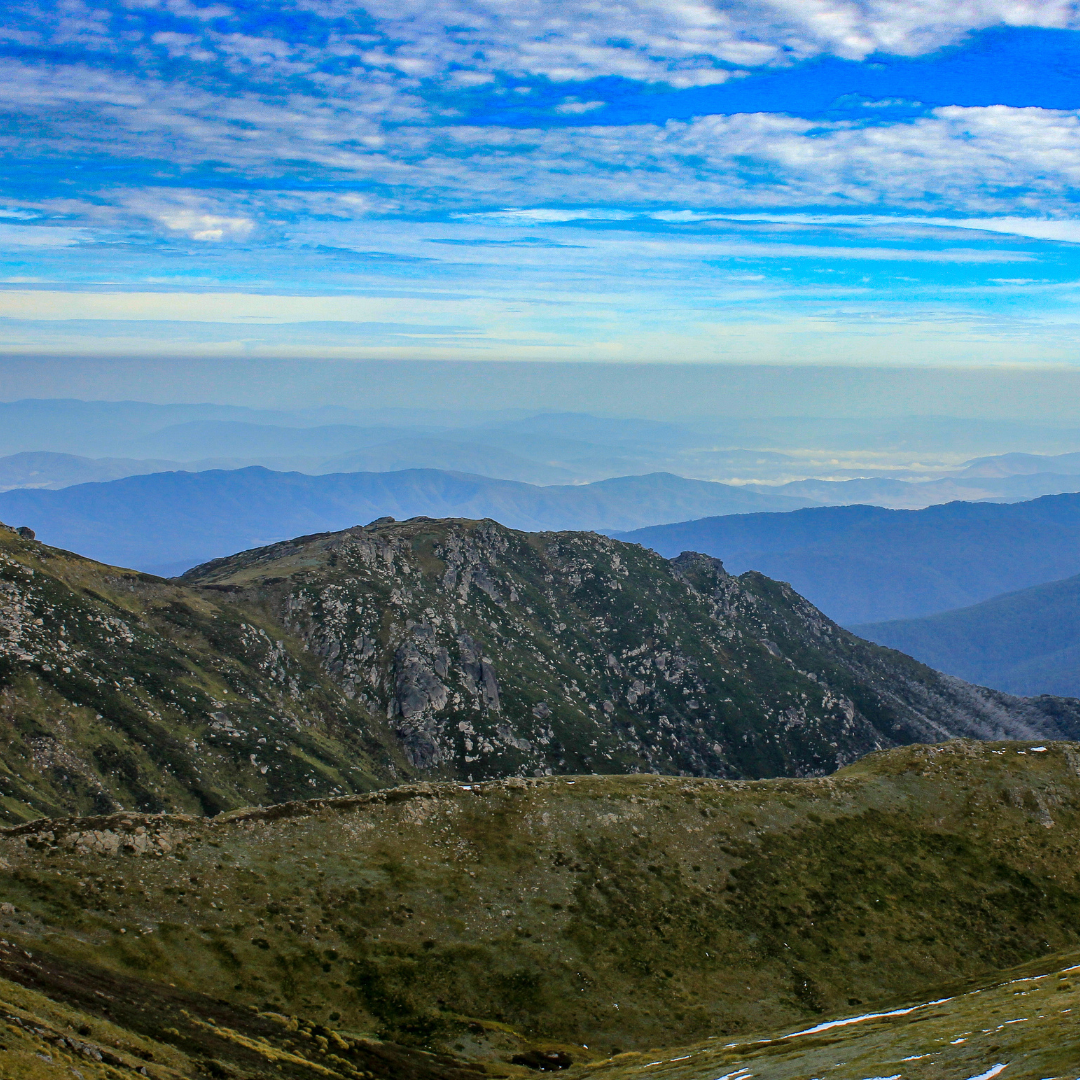
Mount Kosciuszko, at 2,228 meters above sea level, is the highest point on the Australian continent. Although many consider it a modest peak compared to other giants, it is part of the prestigious Seven Summits challenge if one considers the highest continental peaks.
This mountain, located in Kosciuszko National Park, offers a more accessible and family-friendly experience, ideal for hikers who want to reach a “continental peak” without requiring technical knowledge.
Mount Kosciuszko Highlights:
- Location: Australian Alps, New South Wales, Australia.
- Main Route: The track from Thredbo (via chairlift) is the most popular, a well-marked and maintained, approximately 13 km round-trip hike.
- Challenge: The challenge here isn’t technical, but symbolic. It’s an excellent peak for beginners in continental mountaineering or for adventurous families looking to experience a summit without the hassle.
- Natural Highlights: Alpine meadows covered in wildflowers in spring, expansive views of the Snowy Mountains, and wildlife such as wallabies and emus. In winter, its slopes are skiable.
3. Mount Jaya, the indomitable queen of Oceania
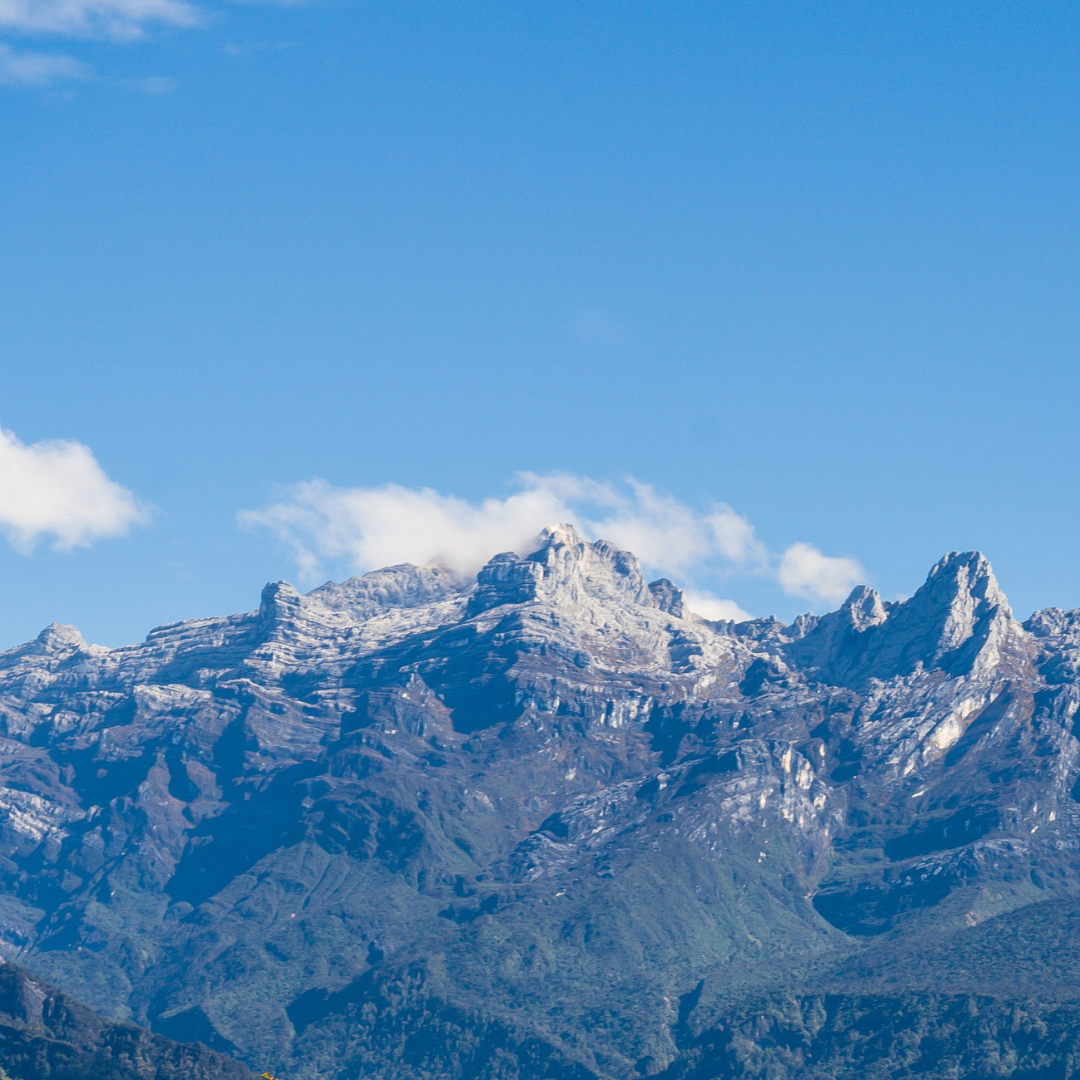
Mount Jaya, also known as Carstensz Pyramid, stands in Indonesia as the highest peak in all of Oceania, at an imposing 4,884 meters above sea level. Located in the western region of New Guinea (West Papua), it is also the highest island mountain in the world.
Unlike Kosciuszko, this mountain is reserved for the bravest. Not only because of its technical complexity, but also because of the logistical difficulties, the necessary permits, and the dense jungle surrounding it. Even so, it is one of the jewels of world mountaineering and the true “ocean Everest.”
Mount Jaya Highlights:
- Location: Papua Province, Indonesia, on the island of New Guinea.
- Main Route: The most common is the rock climbing route up the north face, starting from Base Camp, which is reached after a tough jungle trek. Some opt for helicopter access if budget permits.
- Challenge: High technical difficulty, high-altitude rock climbing, extreme weather conditions, and difficult access due to both the topography and the political situation in the region. It is considered one of the most difficult of the Seven Summits.
- Natural Attractions: Disappearing equatorial glaciers, tropical forests, local tribes with ancient cultures, and the feeling of being in a truly remote and wild place.
4. Te Manga, the green lung of Rarotonga
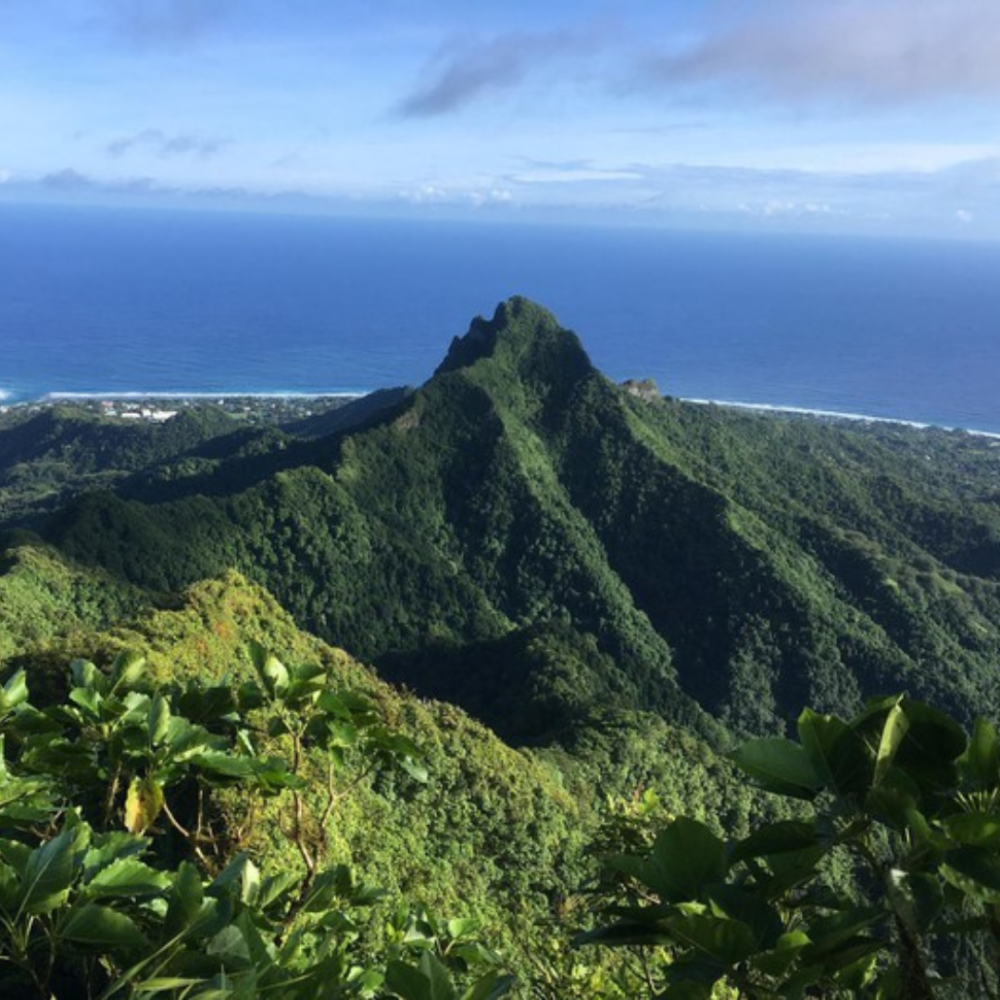
In the idyllic Cook Islands, more precisely on the island of Rarotonga, rises Te Manga, a peak just 652 meters high that nevertheless dominates the landscape with its lush vegetation and 360-degree views of the ocean.
This isn’t a peak for breaking altitude records, but it is an experience steeped in natural connection. Climbing Te Manga means walking among vines, ancient trees, and feeling the rainforest breathe with every step.
Highlights of Te Manga:
- Location: Rarotonga Island, Cook Islands, in the South Pacific.
- Main Route: There are several unmarked trails that traverse the rainforest. Hiring local guides is recommended, as dense vegetation and humidity can make orientation challenging.
- Challenge: Although the altitude is low, the terrain is slippery and steep, with roots and mud. This is a demanding hike for the body and senses.
- Natural Attractions: Tropical flora, spectacular views upon reaching the summit, the cultural history of the island, and the possibility of combining trekking with waterfall bathing and encounters with the hospitality of local communities.
5. Mount Tomanivi, the hidden summit of Fiji
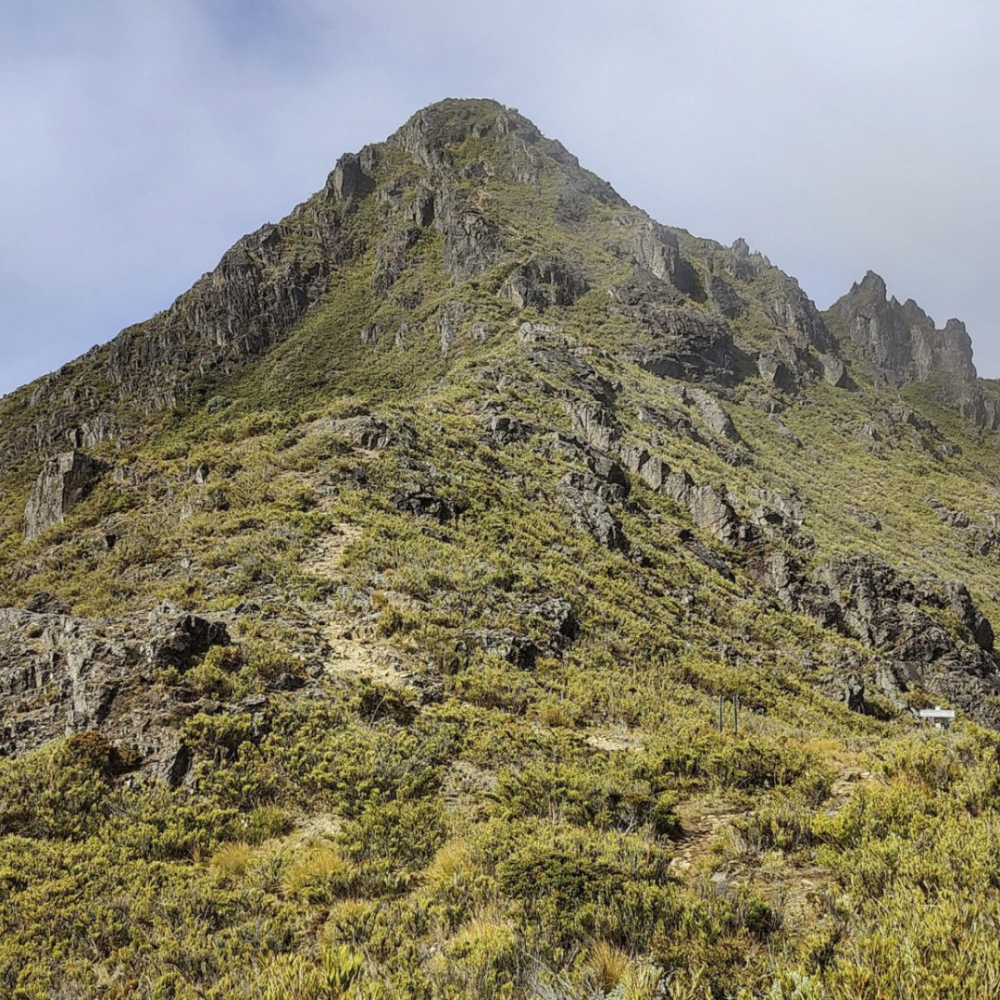
In the heart of Viti Levu Island, the main island of the Fiji archipelago, lies Mount Tomanivi, the highest mountain in the country at 1,324 meters above sea level. It is an extinct volcano covered in dense vegetation and is part of a mountain range that crosses the island from north to south.
Climbing Tomanivi is a tropical mountain experience, far from the typical tourist centers. It is ideal for those looking to discover Fiji’s wilder side.
Highlights of Mount Tomanivi:
- Location: Viti Levu Island, Fiji.
- Main Route: The route starts from Navai Village. It is a marked trail, although steep and muddy. It’s also recommended to go with a local guide.
- Challenge: No technical knowledge is required, but a good level of fitness is required. The weather can change quickly, with thick fog and frequent rain.
- Natural Attractions: Cloud forests, endemic birds like the orange-breasted parrot or the golden whistler, panoramic views of the island, and the satisfaction of reaching the top of an island nation in the middle of the Pacific.
Oceania is a continent of contrasts, and its peaks reflect this perfectly. From the glaciers of Mount Cook to the Te Manga rainforest, the technical terrain of Mount Jaya to the gentle slopes of Kosciuszko, each mountain offers a unique experience.
At Top Summits of the World, we dream of hiking its trails, facing its challenges, and discovering its secrets. We know that each peak will teach us something different: about nature, about the local culture, and about ourselves.
In the meantime, we continue to research, plan, and share each discovery with you. Because the mountains of Oceania are climbed not only with the legs, but also with imagination, respect, and passion.
OUR LATEST PUBLICATIONS

The Caucasus: the natural wall between Europe and Asia
An extreme mountain range where cultures, continents, and epic peaks intersect In Top Summits of the World, we feature mountain ranges that challenge us with

The Atlas: the Maghreb mountain range between the Sahara and the Mediterranean
A journey through the Atlas, guardians of the desert and the mountains At Top Summits of the World we have traveled mountain ranges that cross

The Alps: where mountaineering was born and the mountain spirit was forged
A journey through Europe’s most iconic mountain range At Top Summits of the World, we are clear that if there is a mountain range that